


DATE2026.08.11 #Awards & Prizes
Goda Lab Reaches Final Phase of XPRIZE Healthspan Competition With Super Exosomes
—Researchers from Tohoku University and the University of Tokyo developed groundbreaking technology, earning a place among the Milestone 2 Awardee teams recognized in the XPRIZE Healthspan Competition—
Summary
A research team led by Professor Keisuke Goda of the SiRIUS Institute of Medical Research and Graduate School of Medicine at Tohoku University, together with the Department of Chemistry at the University of Tokyo, has been named a Milestone 2 Awardee of the XPRIZE Healthspan competition - one of the world’s largest health research competitions. Chosen from among more than 600 teams worldwide, the team received the competition’s Milestone 2 award, US$1 million award, in recognition of its groundbreaking research and to be used toward further testing and research.
XPRIZE Healthspan is a 7-year global competition incentivizing teams to develop and test therapeutics that restore muscle, cognition, and immune function in adults aged 50 to 90 by a minimum of 10 years, with an ambitious goal of 20 years, to extend healthy life within one year or less of treatment.
Goda Lab developed proprietary “super exosomes” —tiny natural particles that cells use to transport biological materials—by chemically engineering the surface of exosomes with lanthanide ions, dramatically enhancing their ability to target senescent cells. Senescent cells are old or damaged cells that have stopped dividing but remain in the body, where they can contribute to aging and age-related diseases. Once attached to senescent cells, the super exosomes efficiently deliver regenerative molecular cargo, such as growth factors or genetic material, directly to aging tissues, helping to promote repair where it is needed most.
In preclinical studies involving multiple cohorts of aged mice, super exosomes produced statistically significant improvements in frailty, physical performance, and multiple aging-associated functional measures, while demonstrating an excellent safety profile. The overall benefit corresponds to an estimated extension of more than 15 healthy human years based on accepted cross-species lifespan scaling.
To build on these findings, the team will launch clinical studies in collaboration with Tohoku University Hospital and the Tohoku University Healthspan Research Center. The goal is to demonstrate that the technology can extend healthy human lifespan by at least ten years, the benchmark required to compete for the XPRIZE Grand Prize.
Beyond healthy aging, the platform has potential applications in preserving cognitive, muscular, and immune function, as well as hair regeneration, skin rejuvenation, and reproductive medicine.
The team plans to commercialize the technology through NanoTitan. Doing so will help establish scalable manufacturing and global distribution of super exosome therapeutics developed in Japan.
“Advancing to the XPRIZE Healthspan finals is an important milestone, but our ultimate goal is to translate this technology into therapies that allow people to lead healthy, independent, and active lives longer," said Professor Keisuke Goda. "We look forward to validating this approach in human clinical studies and bringing its benefits to society.”
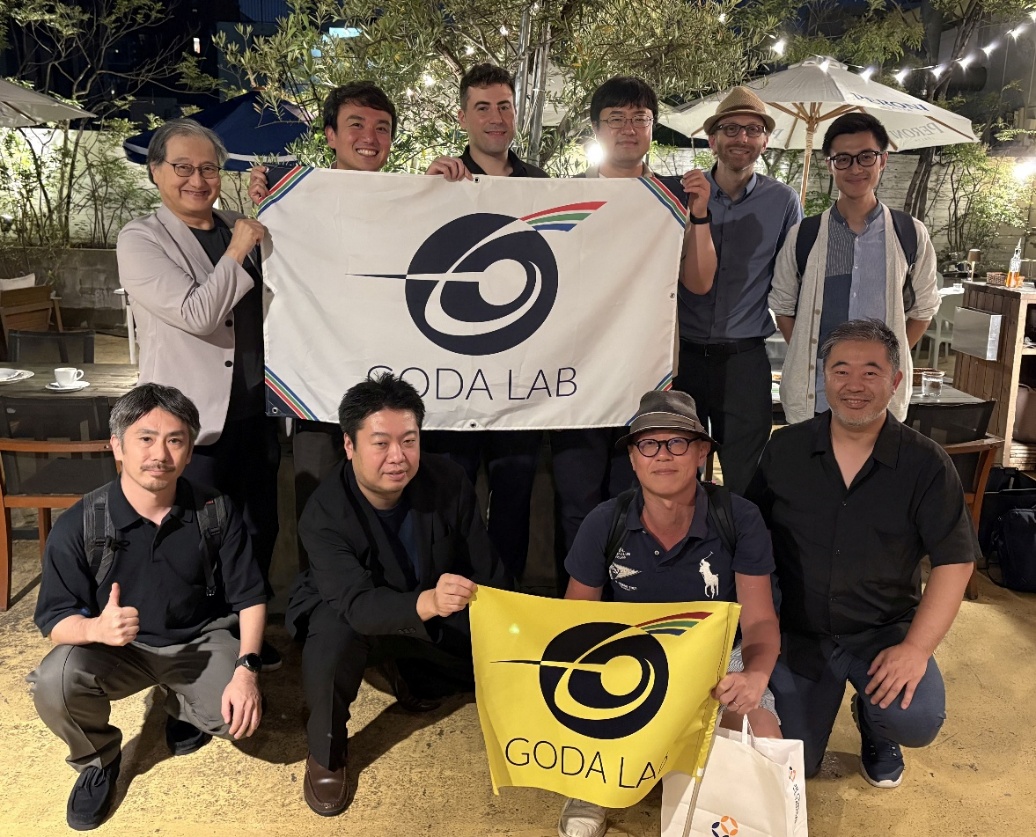
Figure 1: Goda Lab members
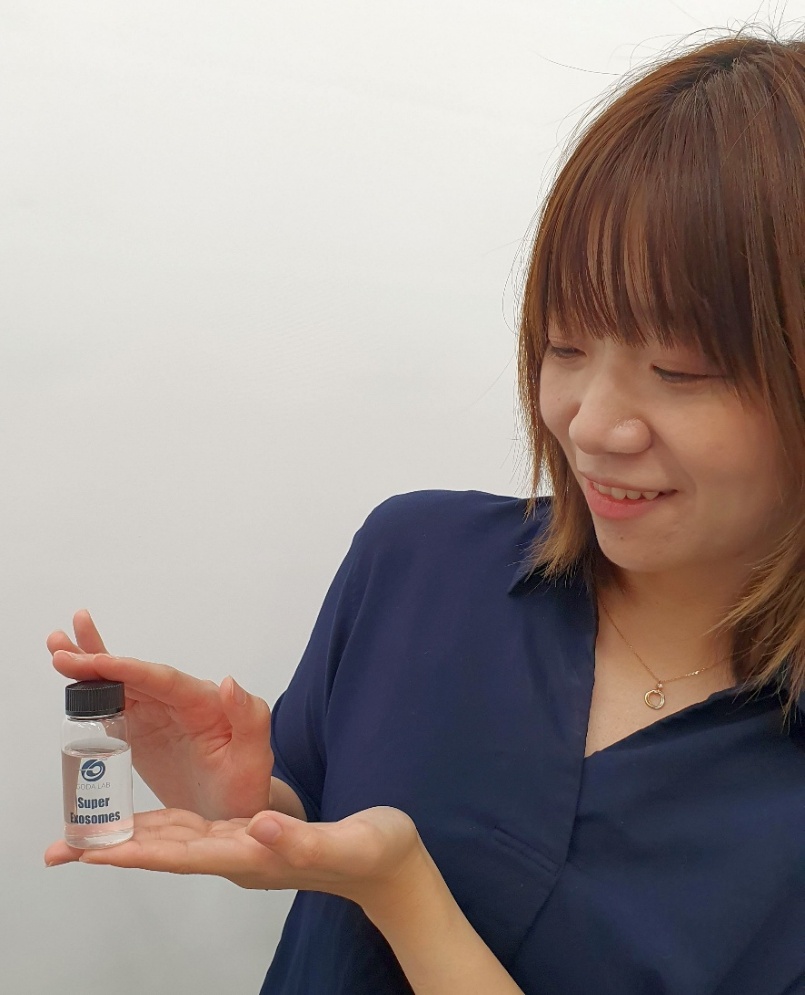
Figure 2: Super Exosomes
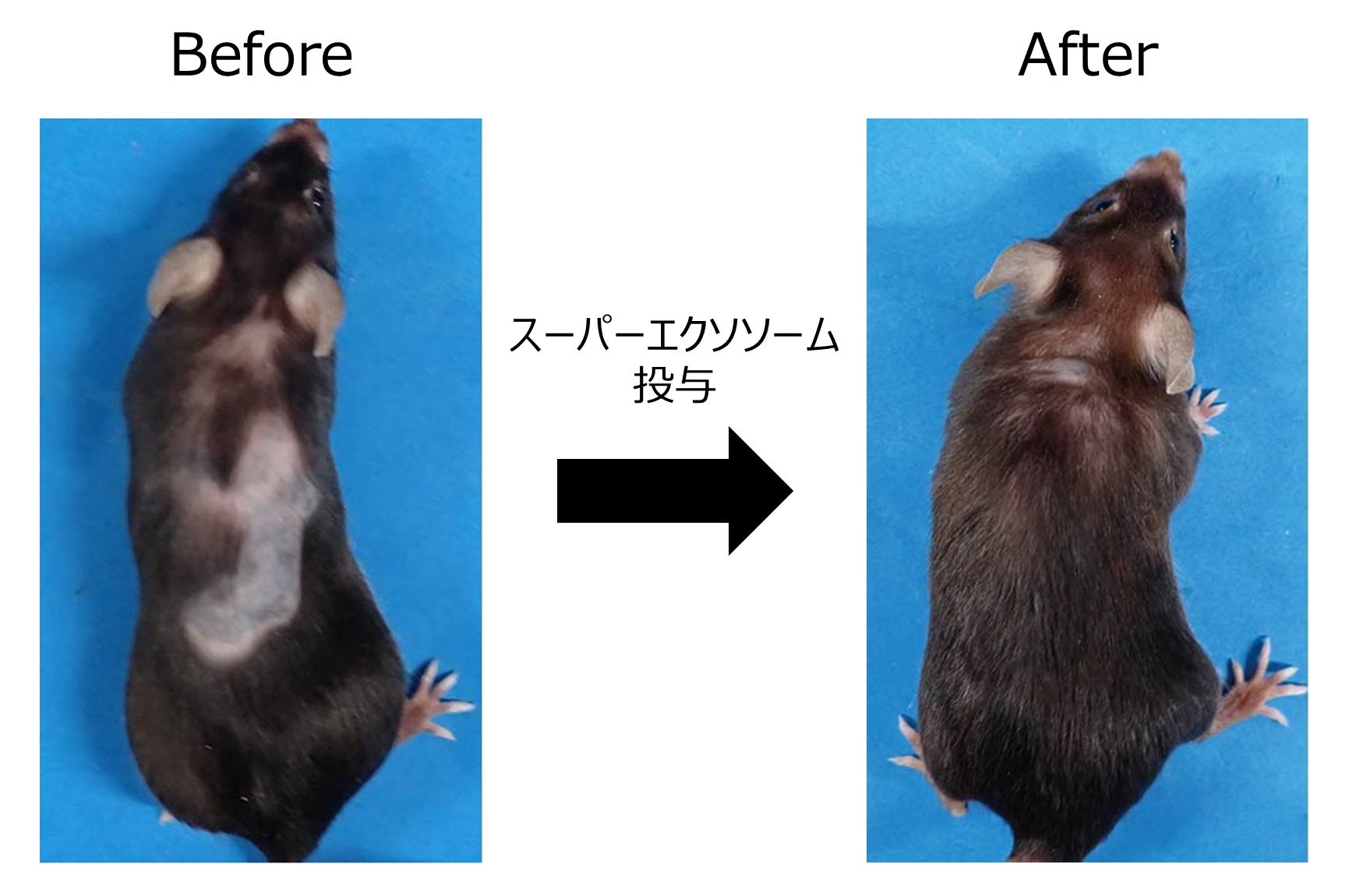
Figure 3: Aged mouse before and after the administration of Super Exosomes