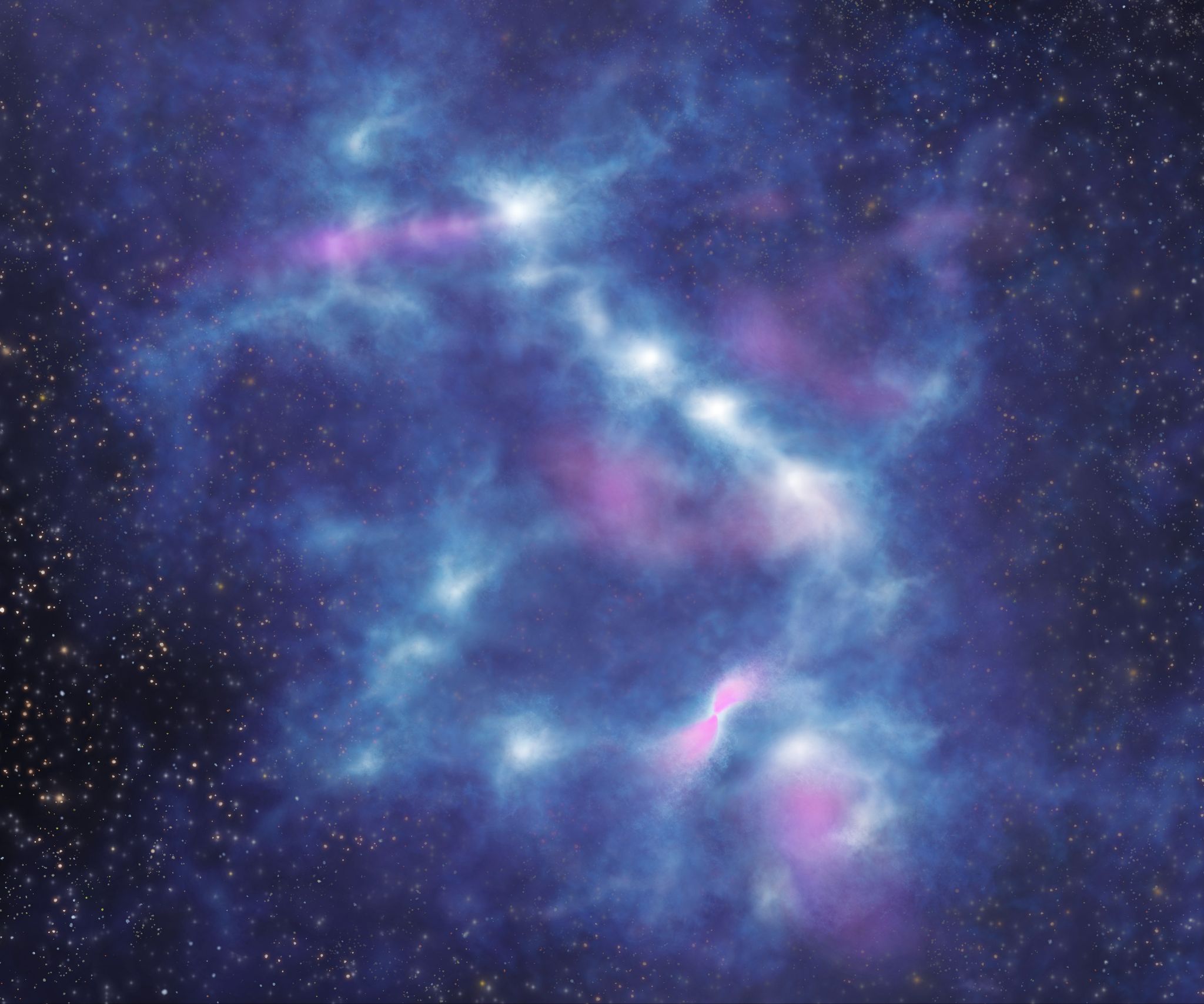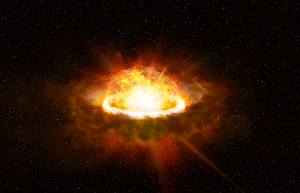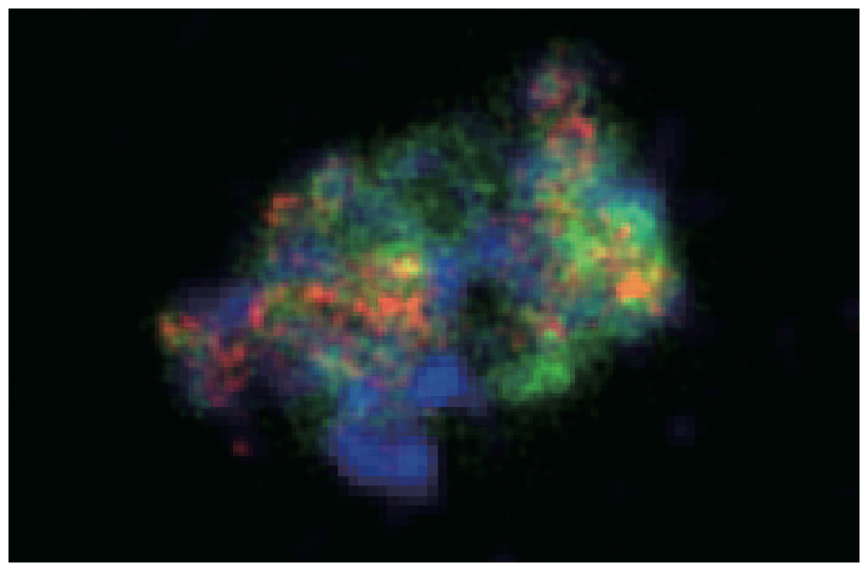

AKARI Finds Carbon Monoxide Molecules Embedded in Ten Million Degree Gas
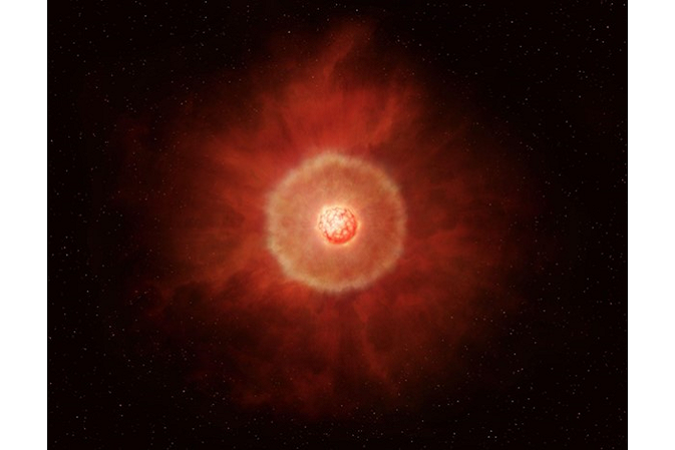
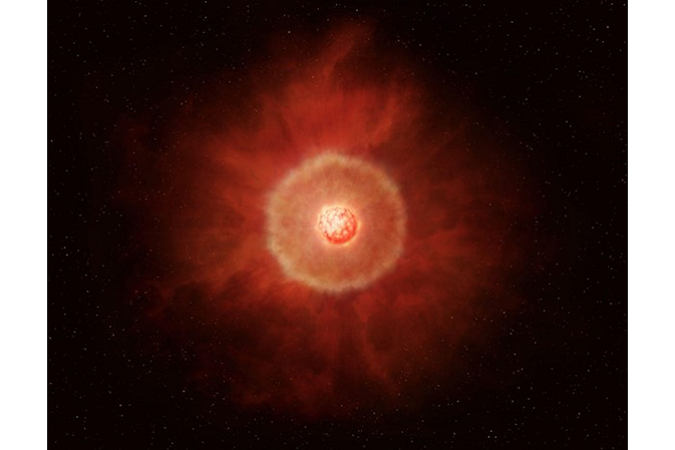
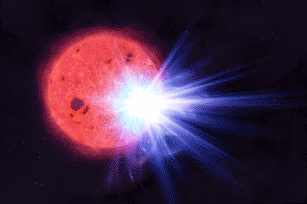
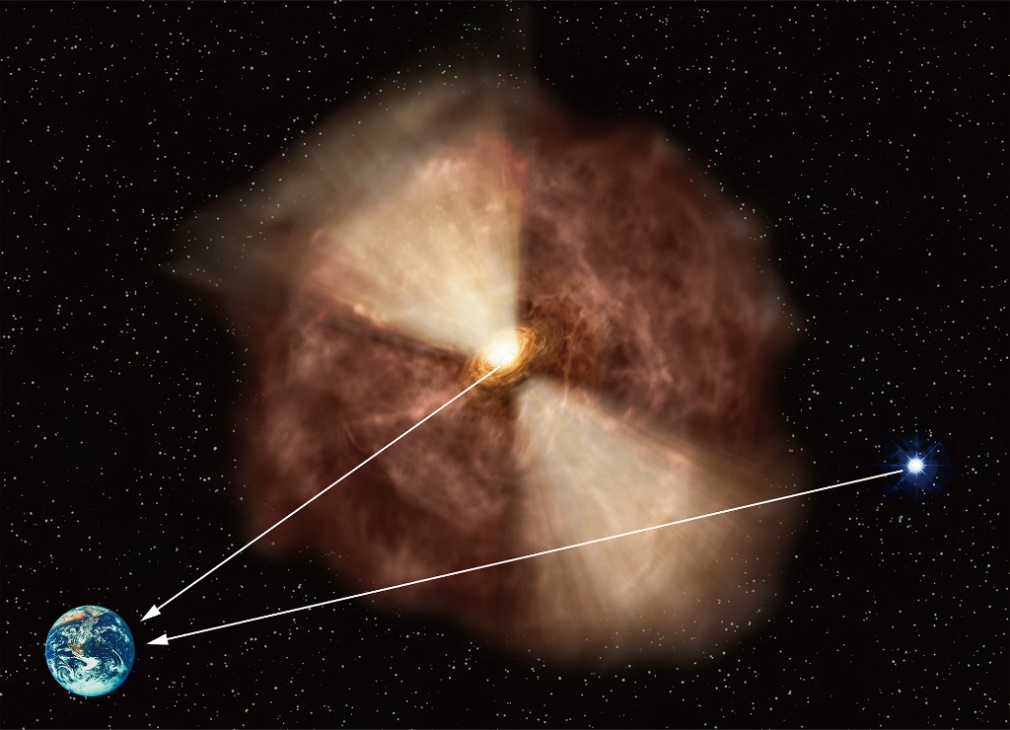
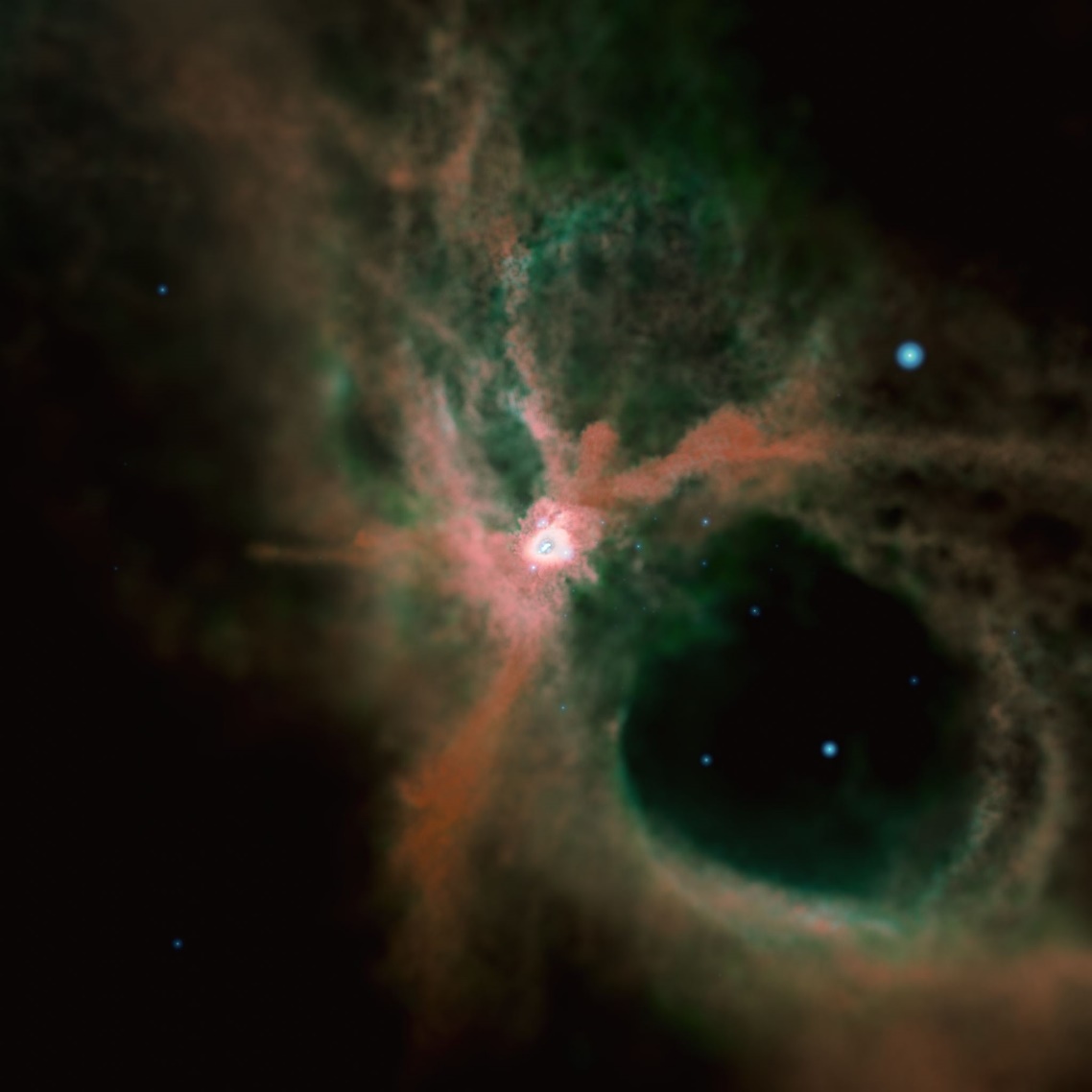
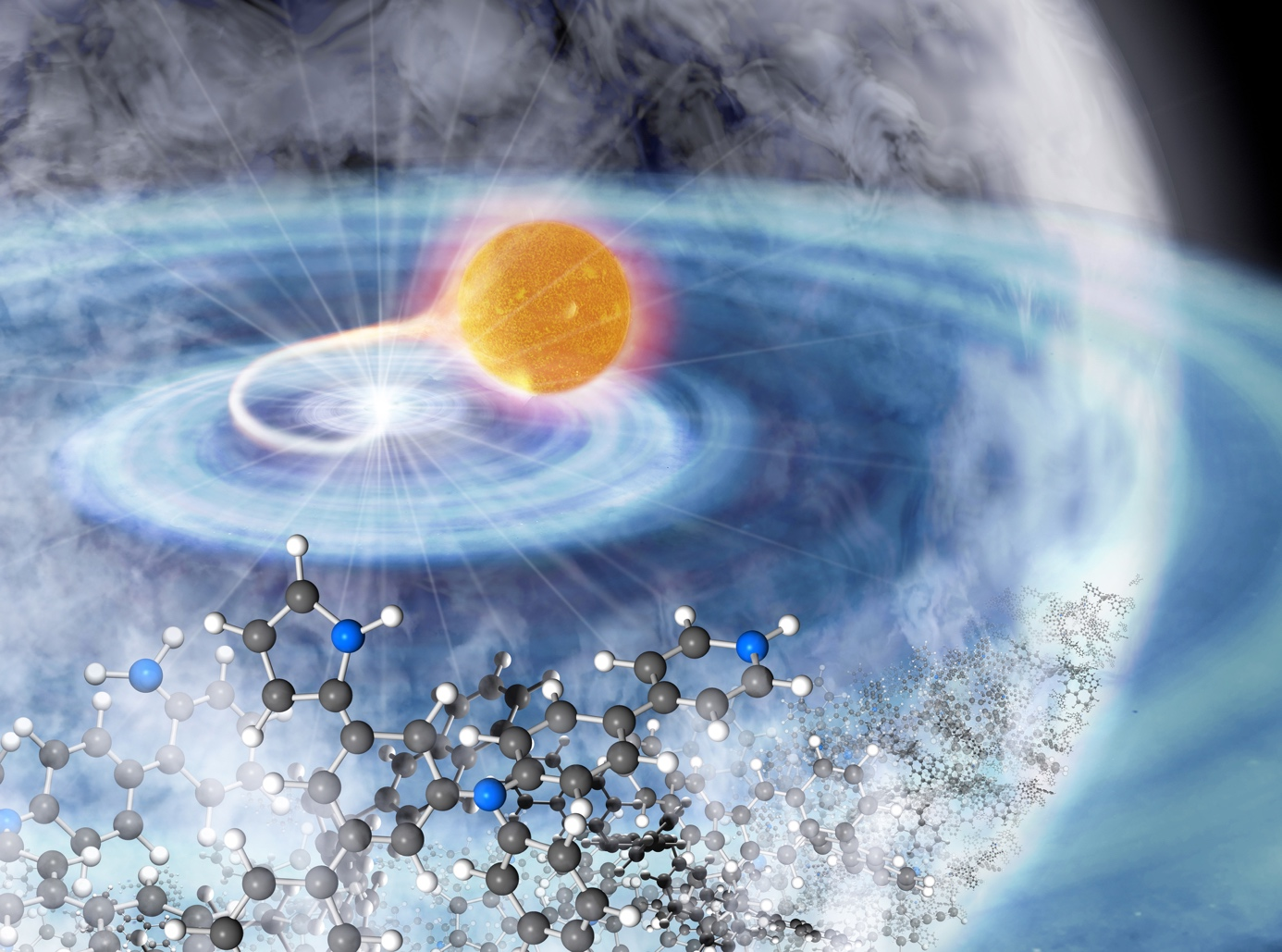
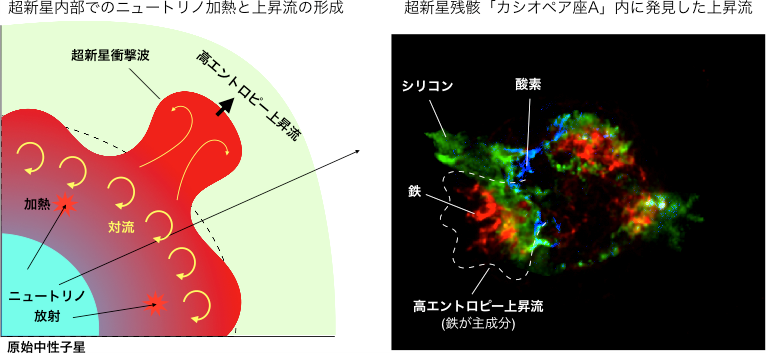
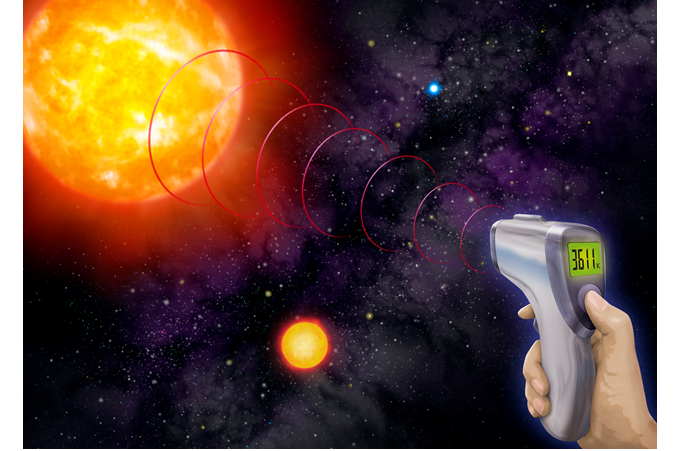
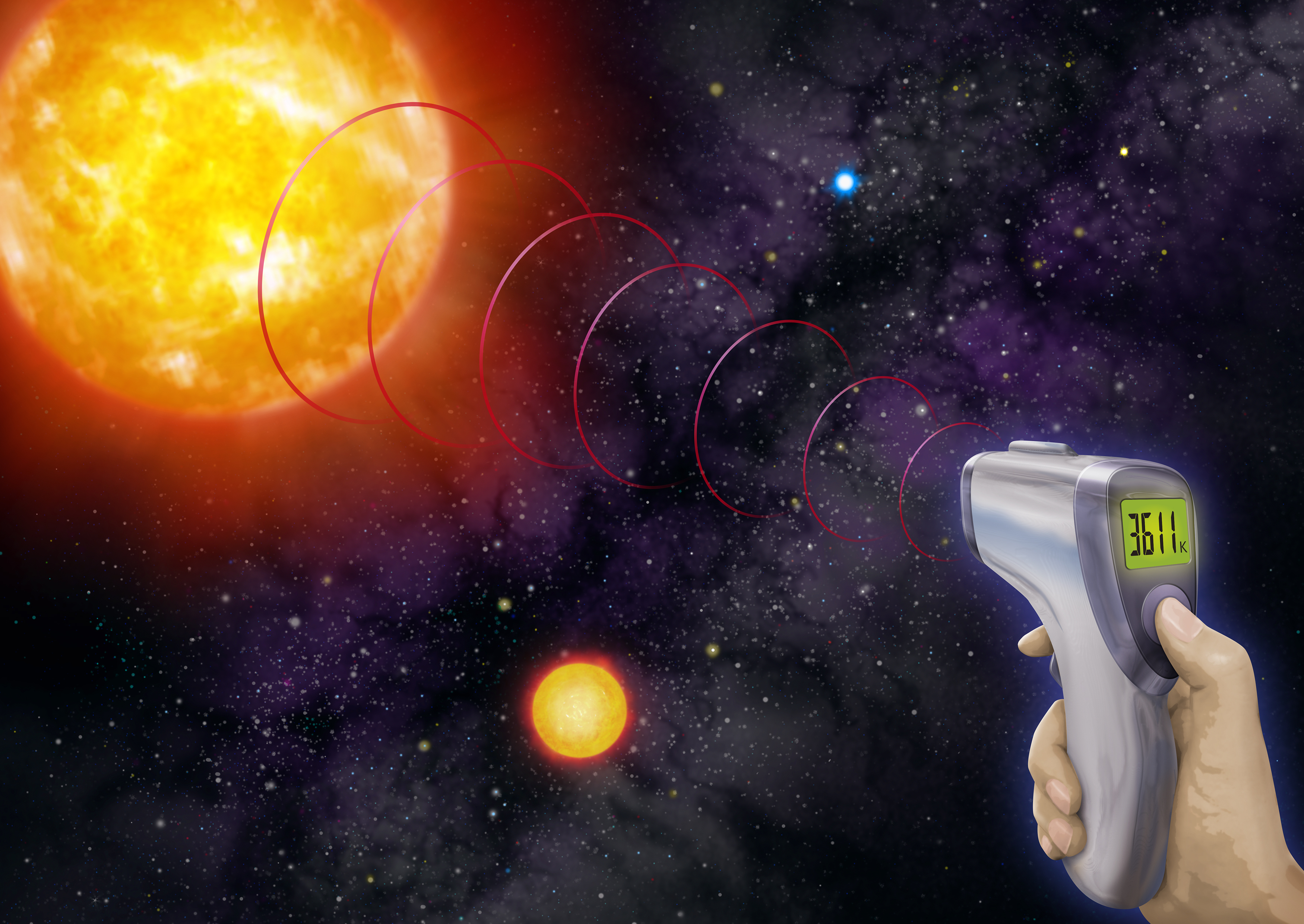
A scientific team using the Japanese AKARI infrared space observatory finds carbon monoxide (CO) molecules in the ten million degree gas associated with the young supernova remnant Cassiopeia A (Cas A). more »
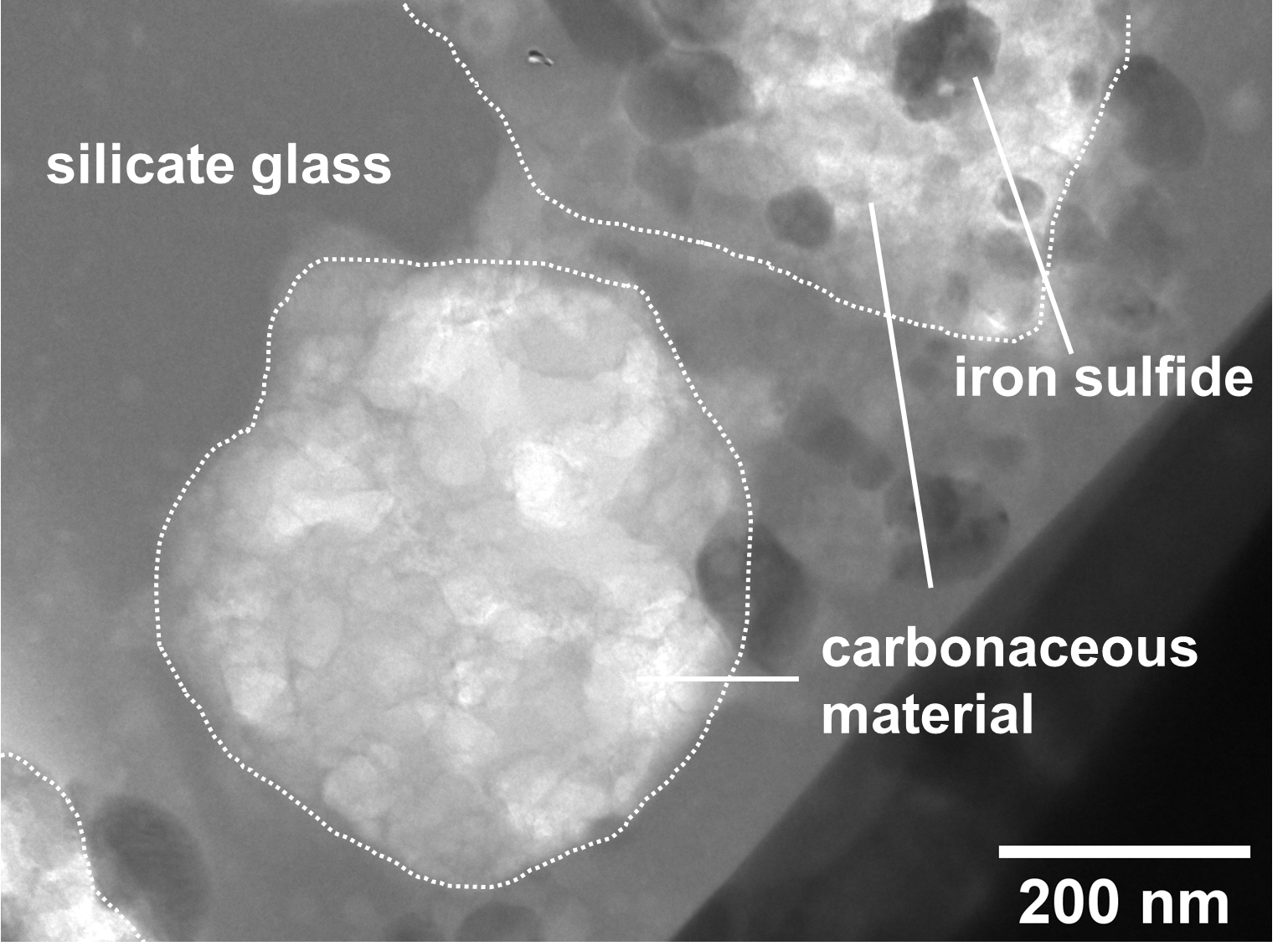
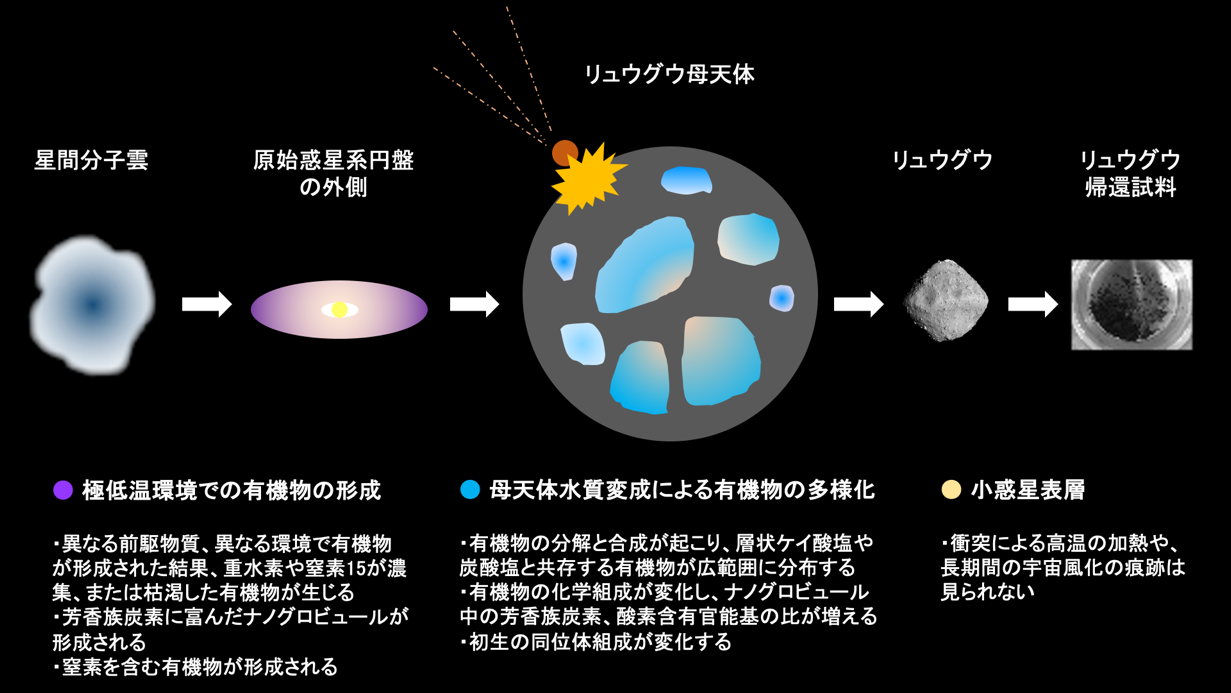
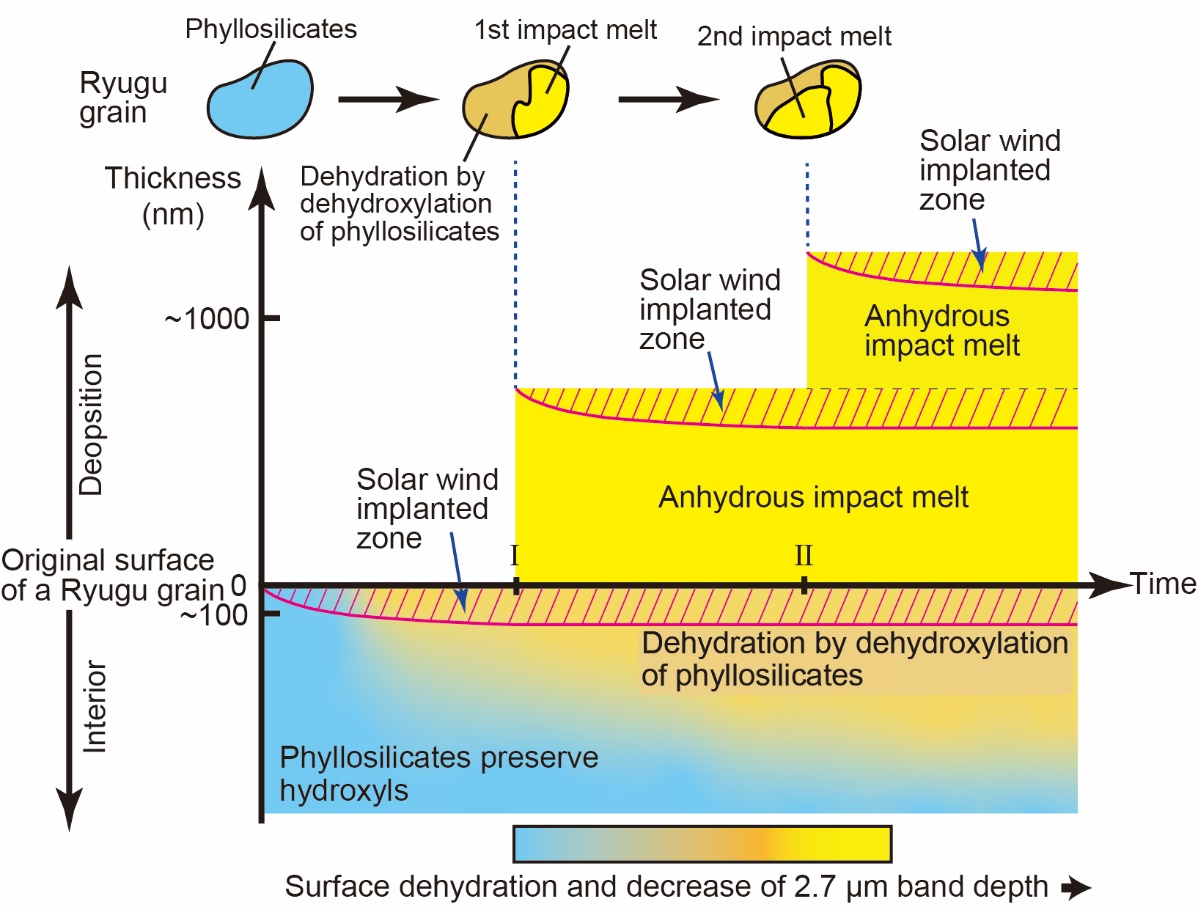
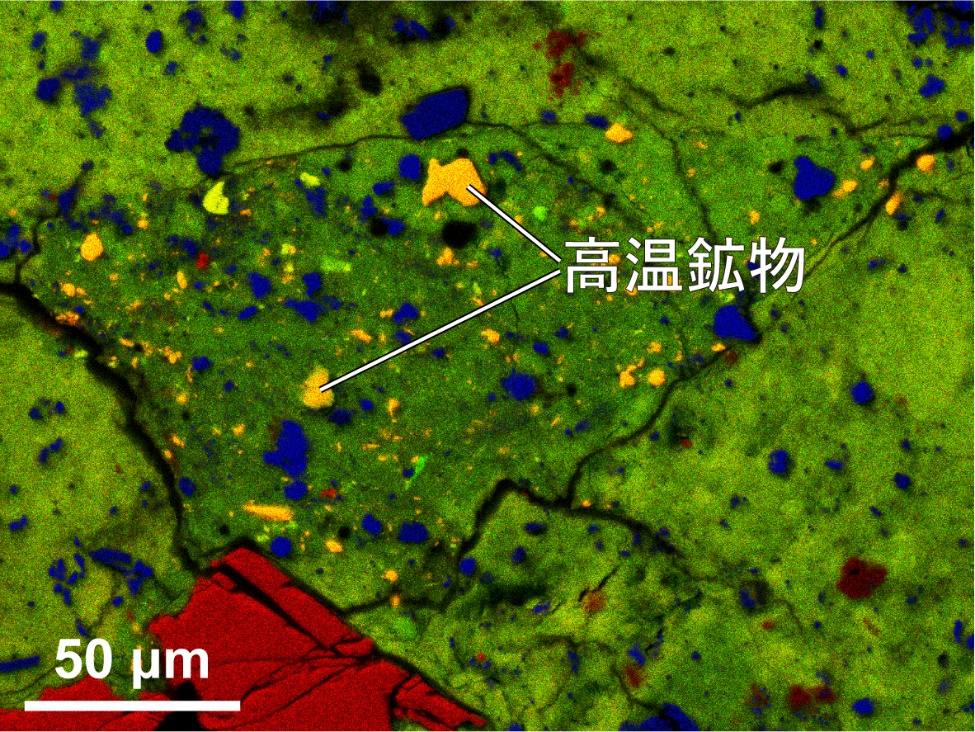
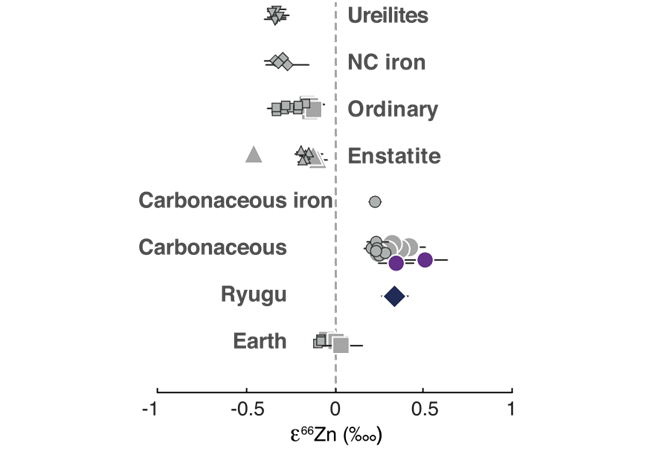
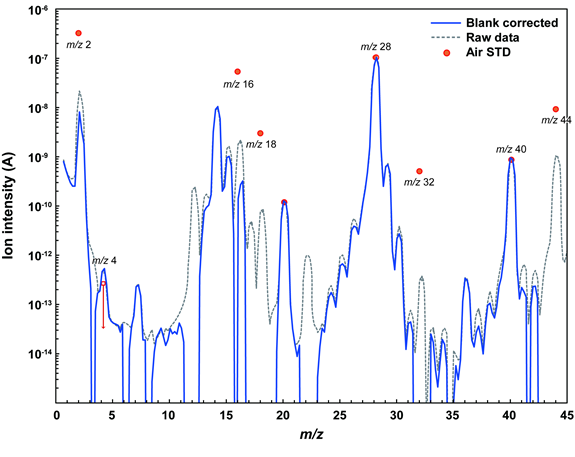
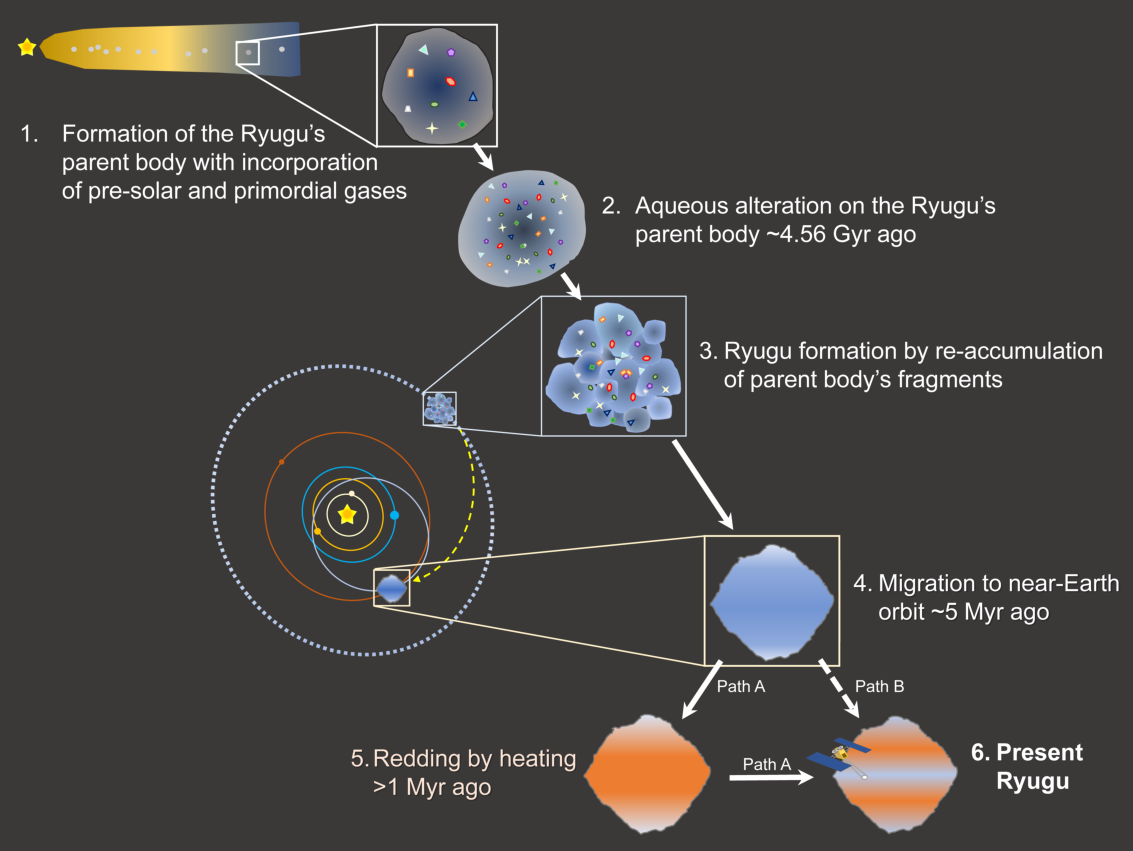
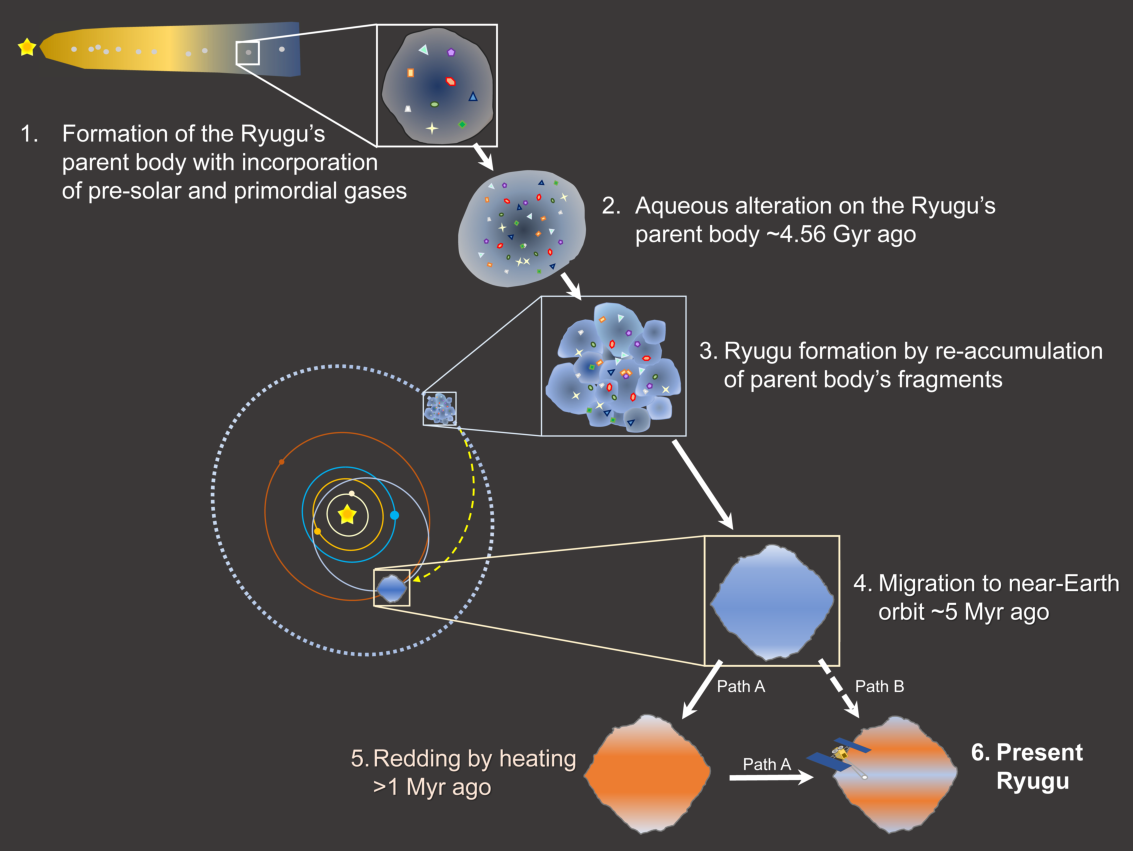
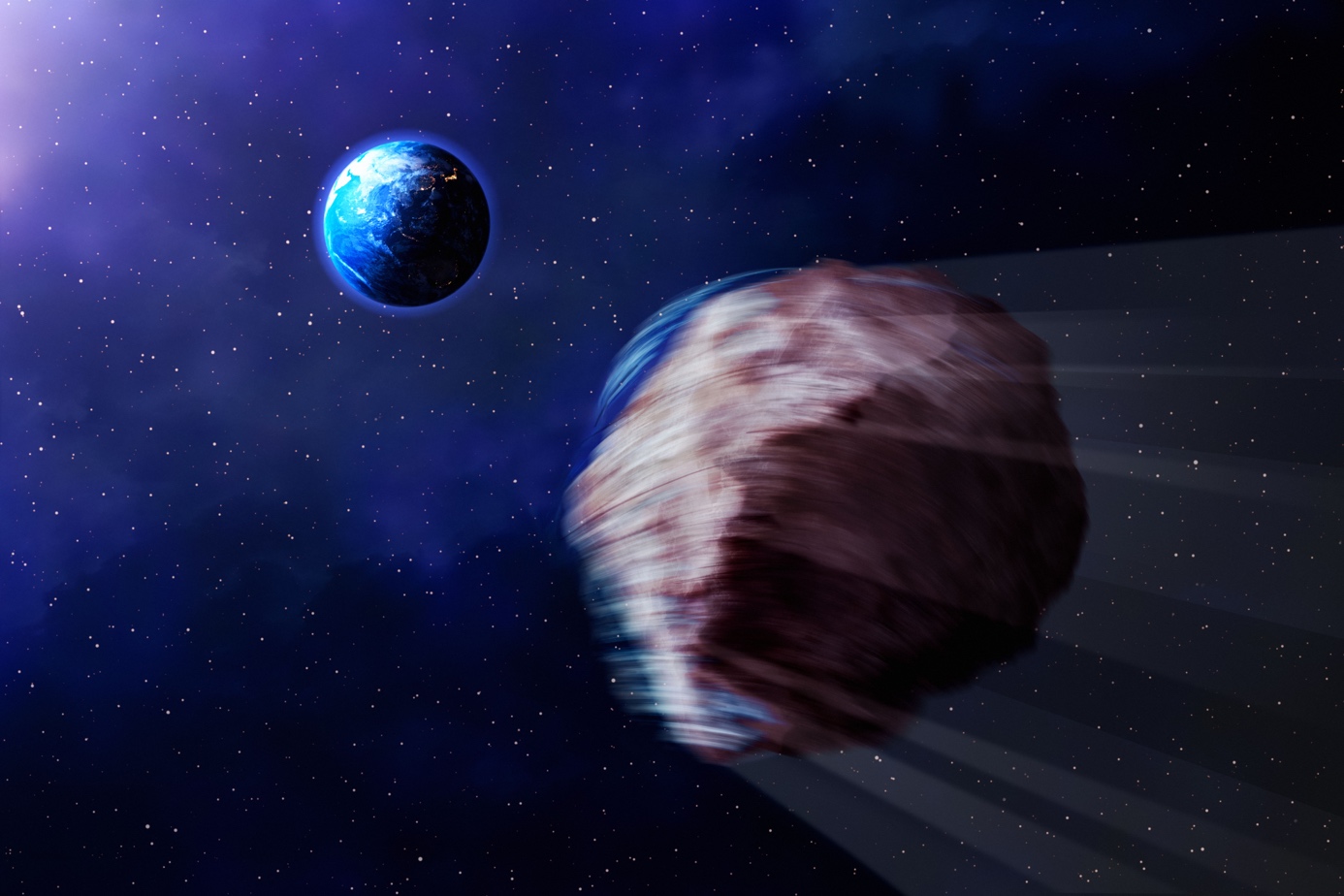
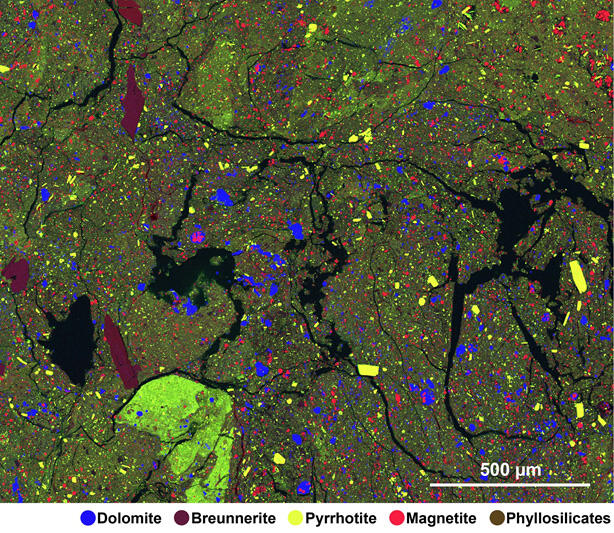
Dating of meteoritic carbonates tells us the formation time of hydrous asteroids
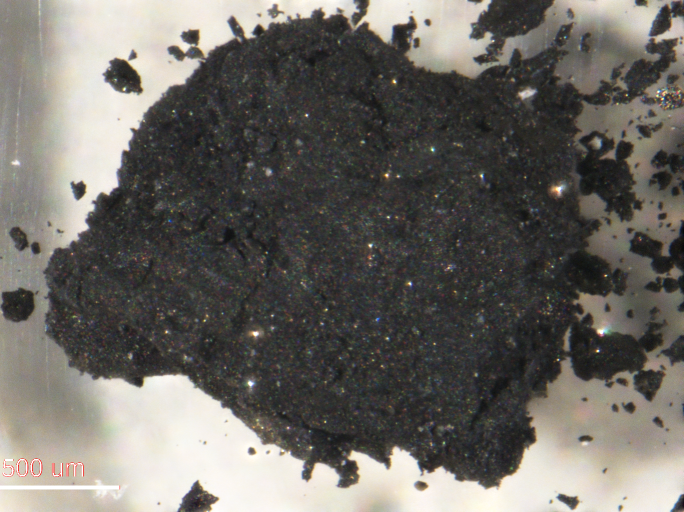
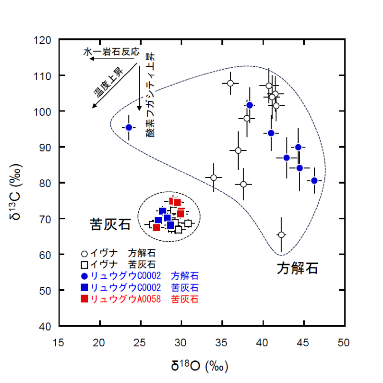
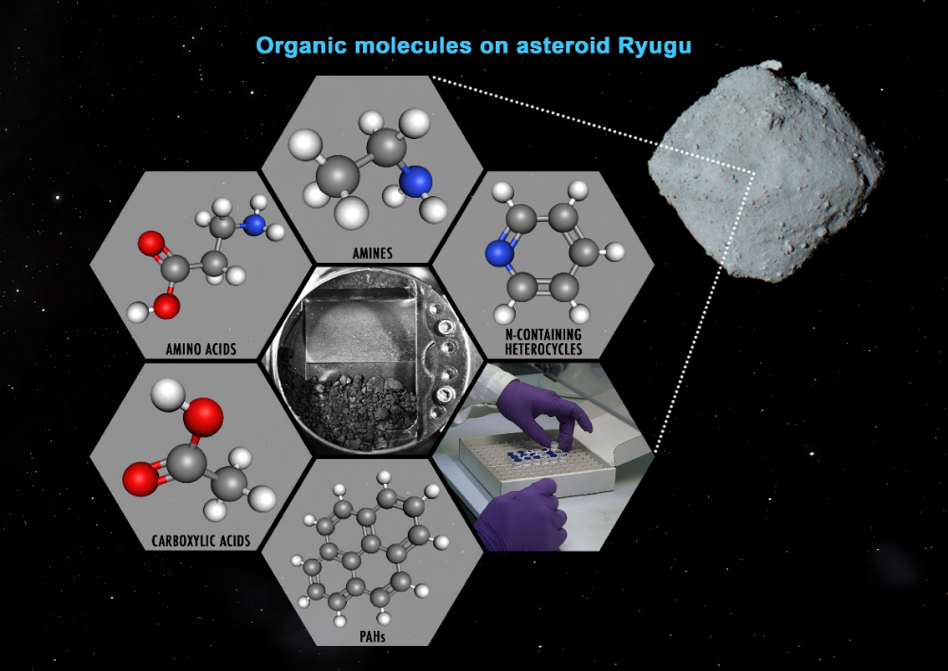
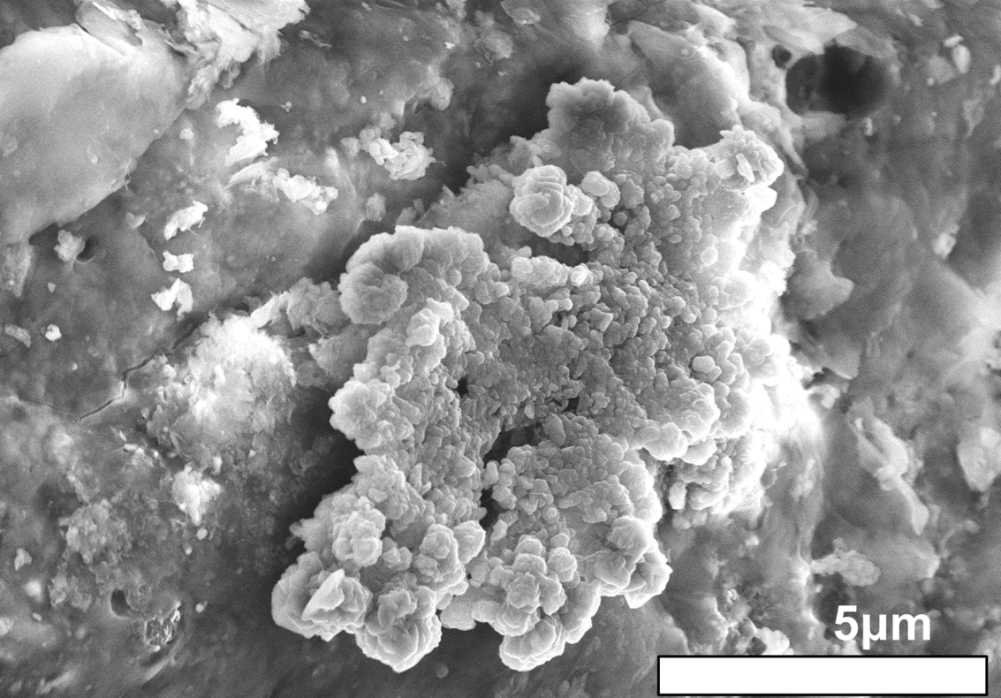
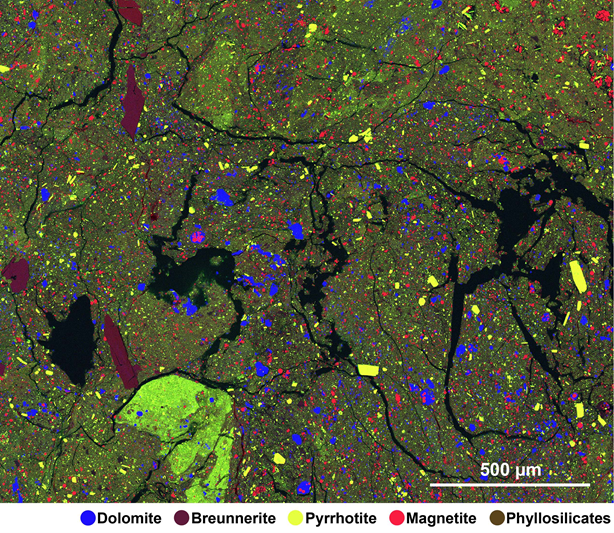
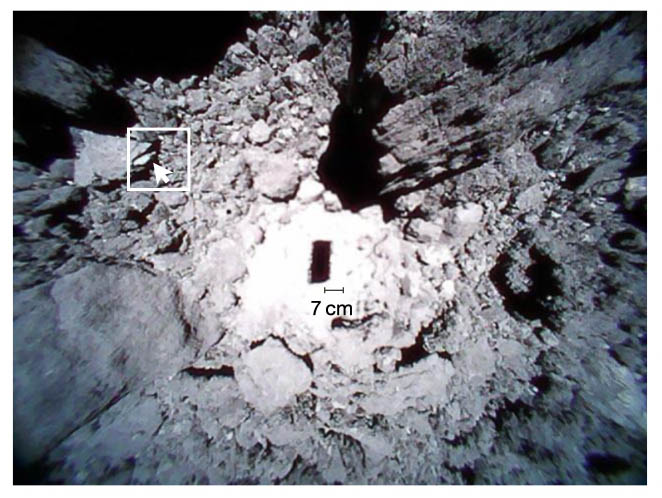
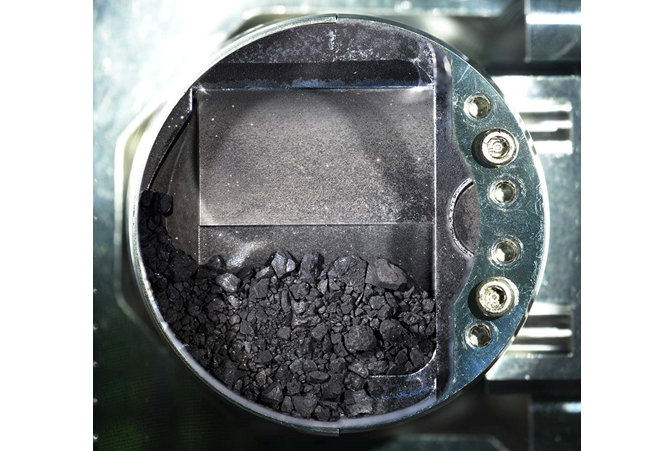
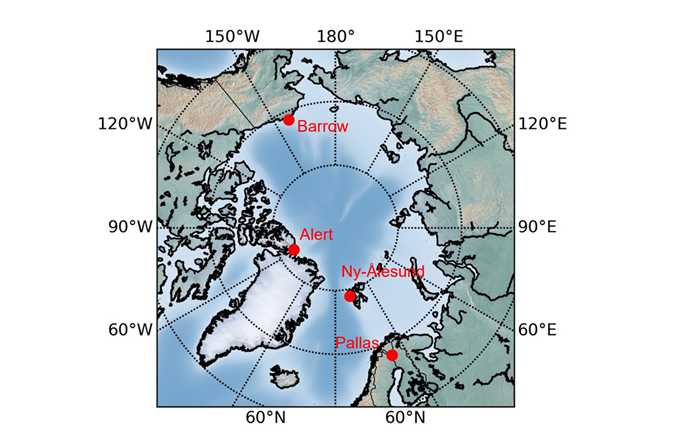
We improved a method for the dating of meteoritic carbonate grains, and determined accurate ages for several carbonate grains in four meteorites. more »

Galaxy Collisions
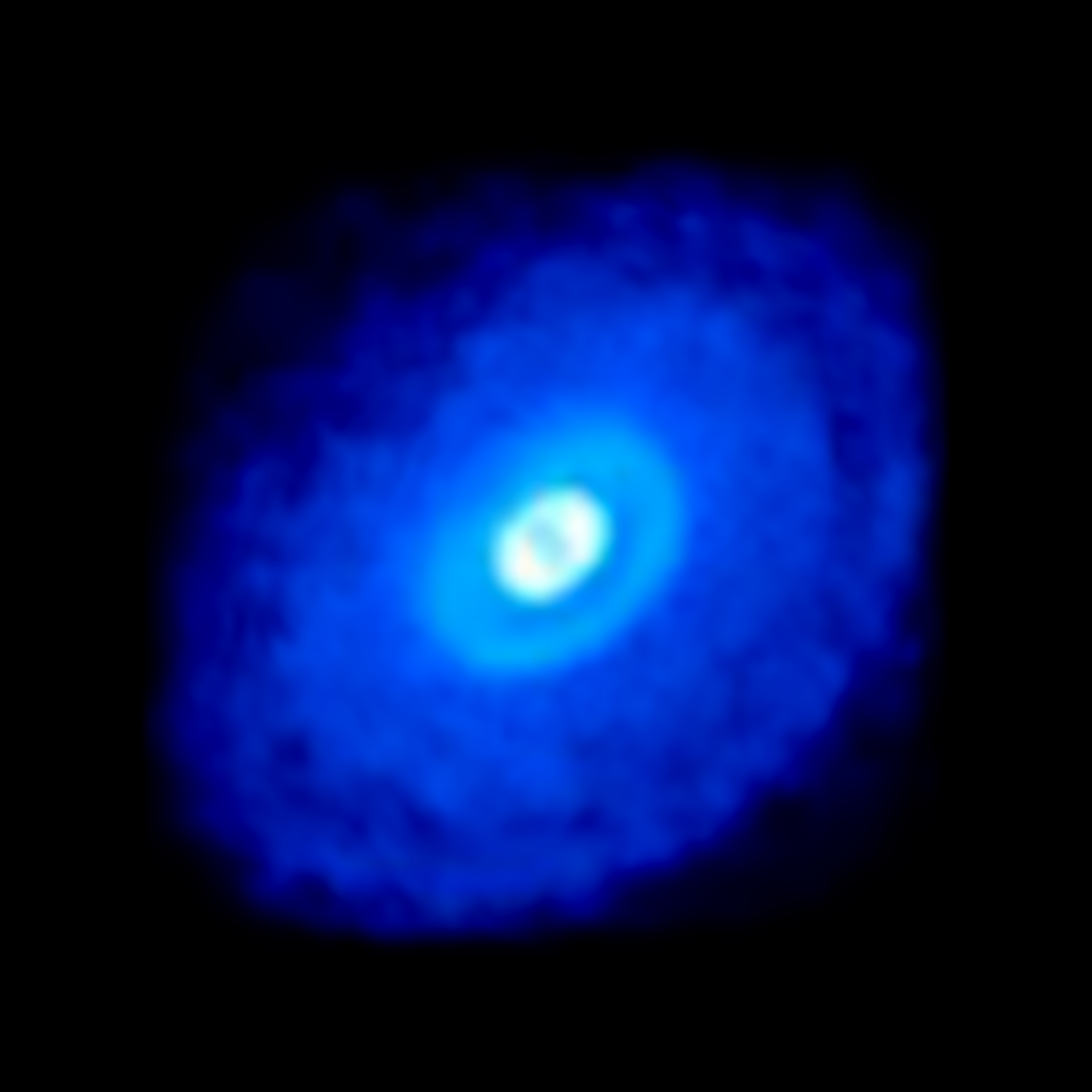
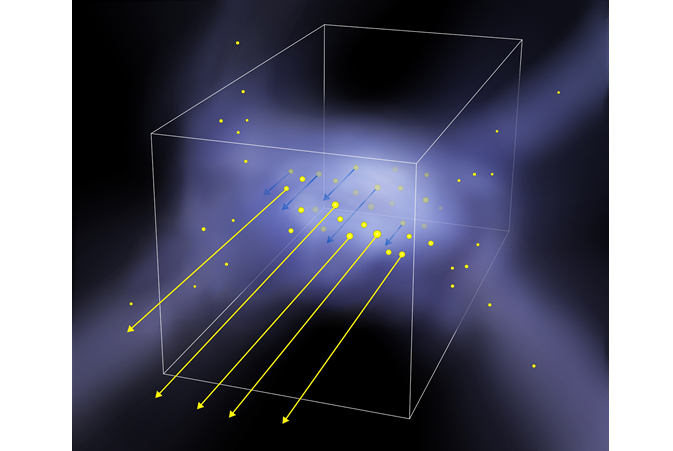
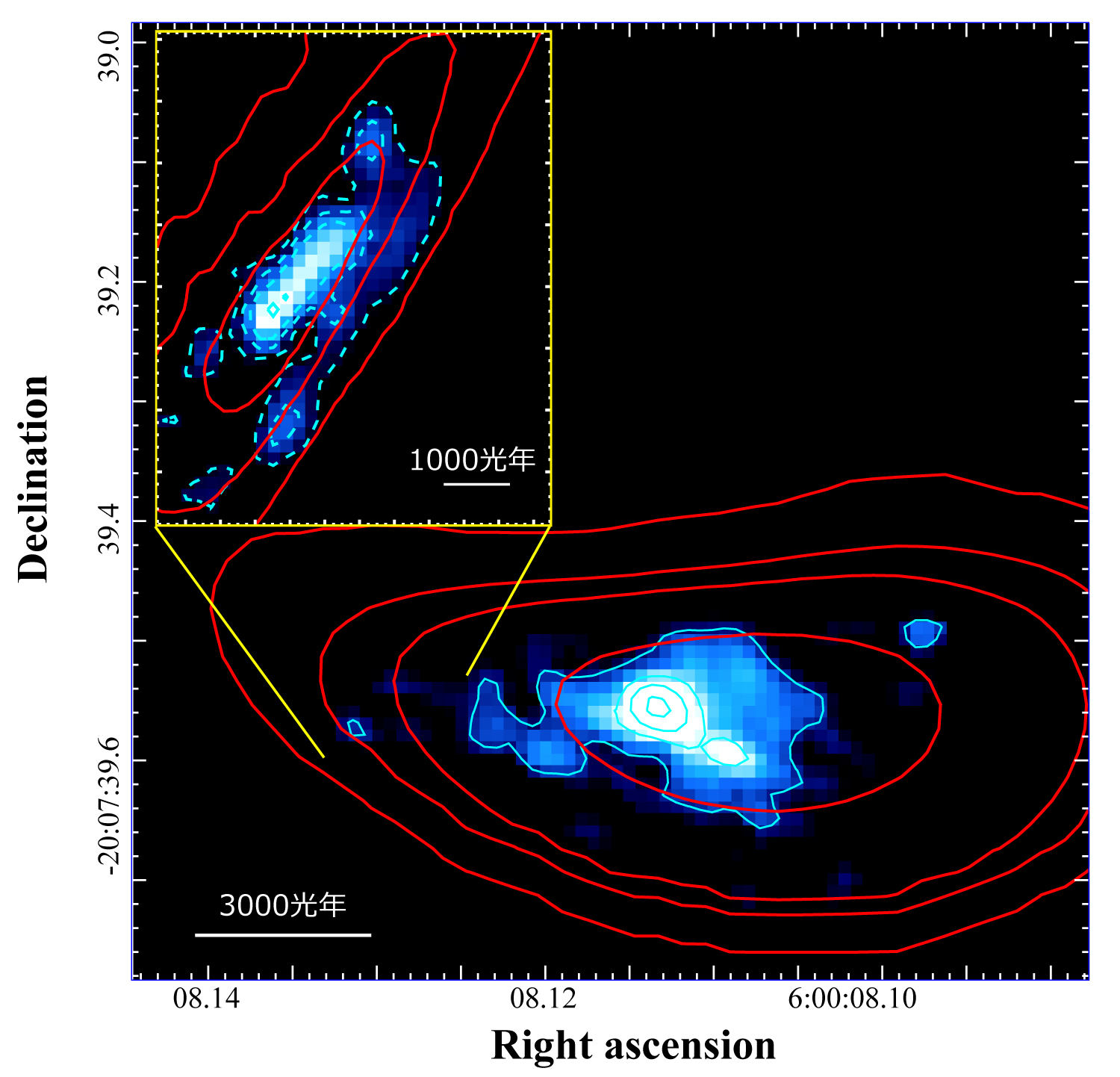
An international team led by Junko Ueda (the University of Tokyo), in close cooperation with Daisuke Iono and Ryohei Kawabe (NAOJ) revealed detailed spacial distribution of warm and dense giant molecular clouds across the nearest colliding galaxy pair from the Earth, the "Antennae galaxies", at an angular resolution that is more than 10 times higher than previous studies. more »
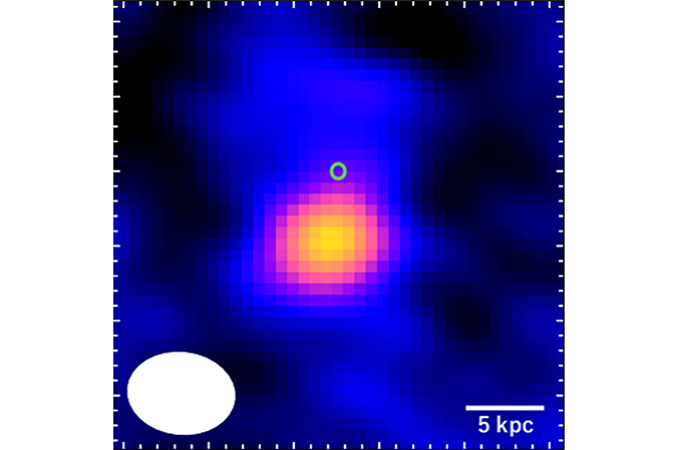
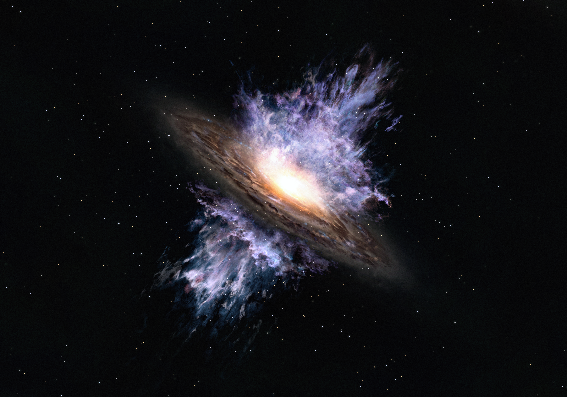
An ultra bright submillimeter galaxy, "Orochi"
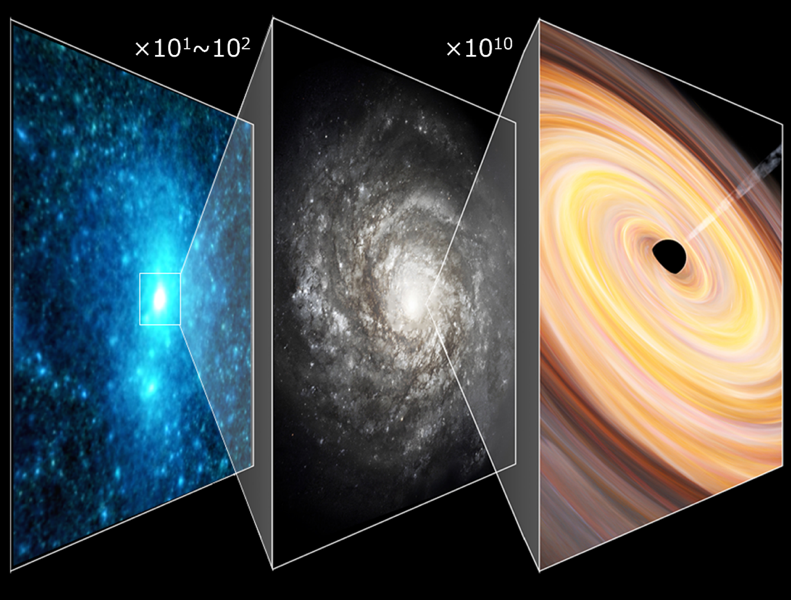
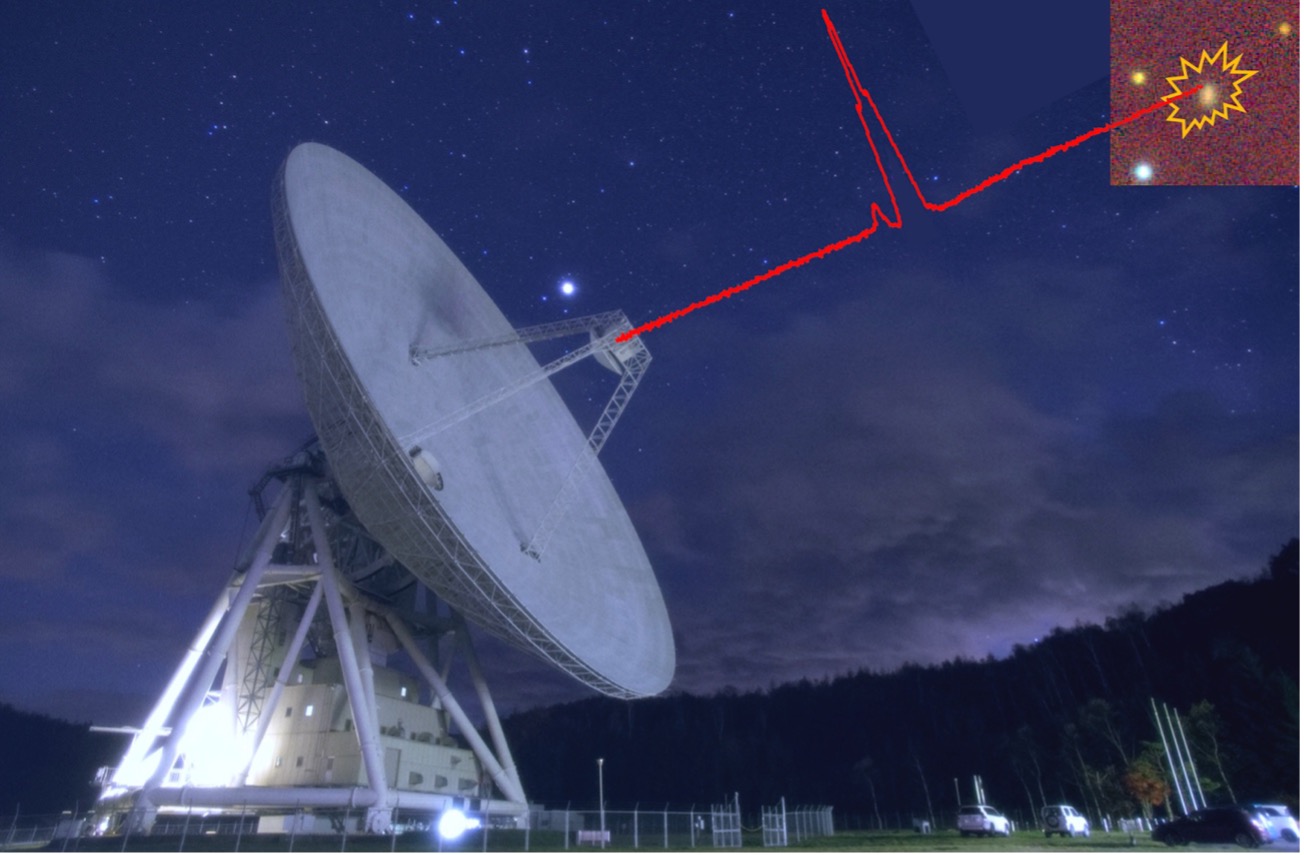
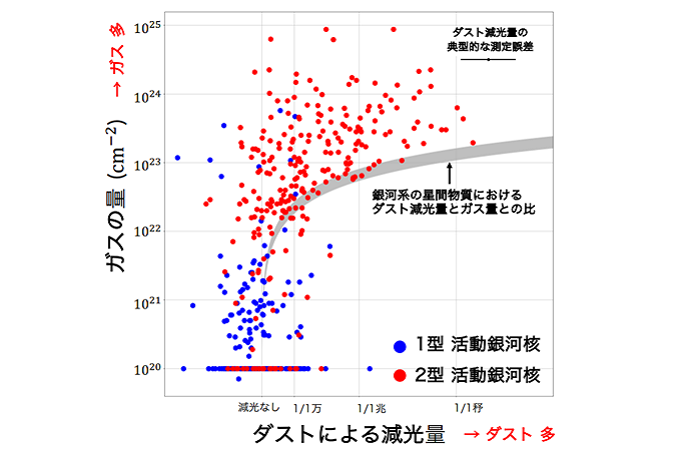
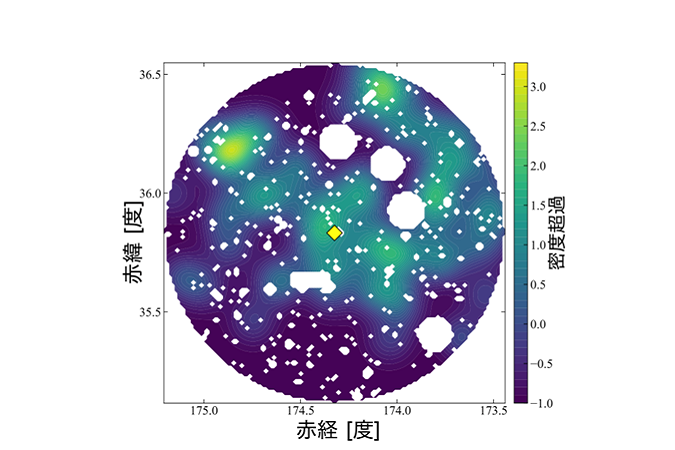
An international research team led by Sho Ikarashi and Kotaro Kohno (University of Tokyo), and Daisuke Iono (National Astronomical Observatory of Japan, NAOJ) discovered an ultra bright submillimeter galaxy in the Subaru/XMM-Newton Deep Field by using a submillimeter telescope, ASTE operated by mainly NAOJ and University of Tokyo. more »
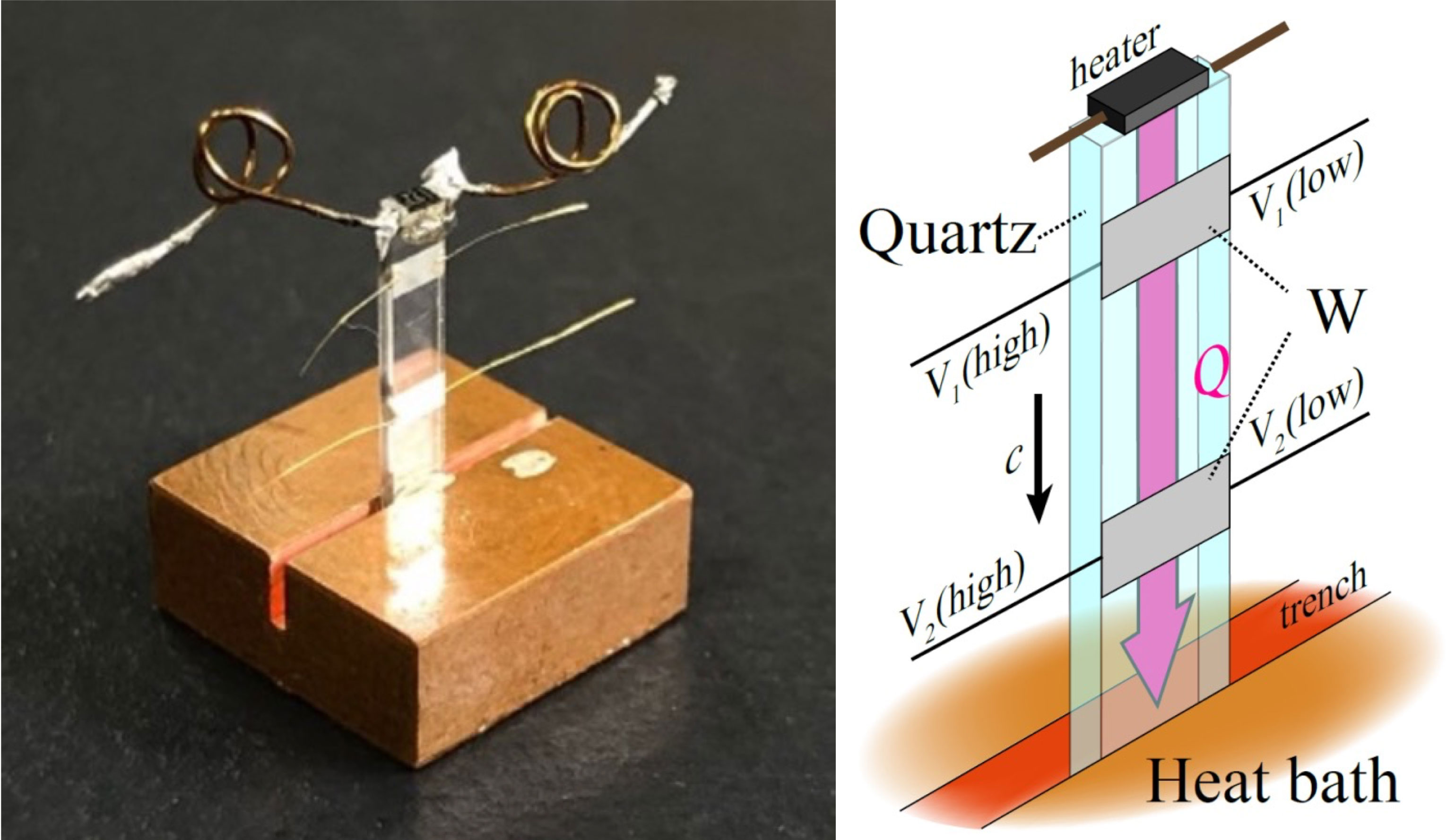
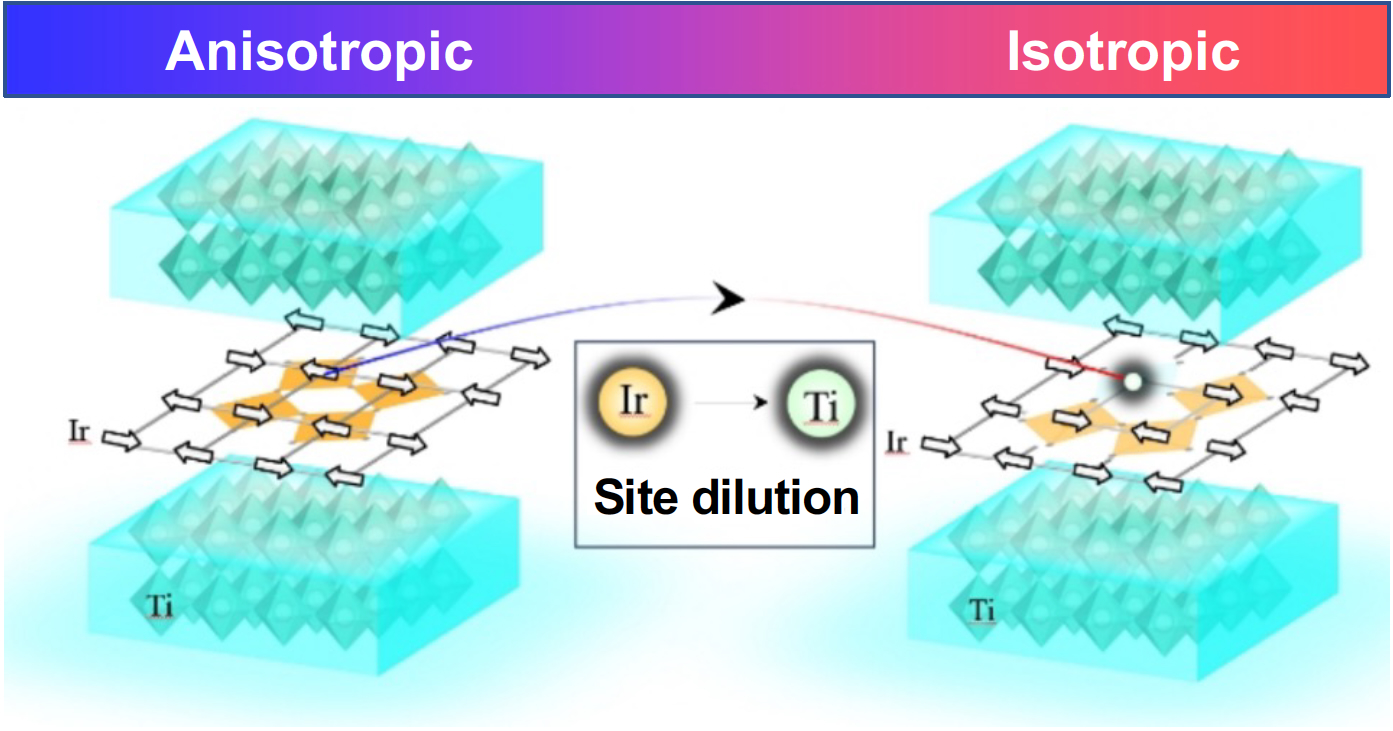
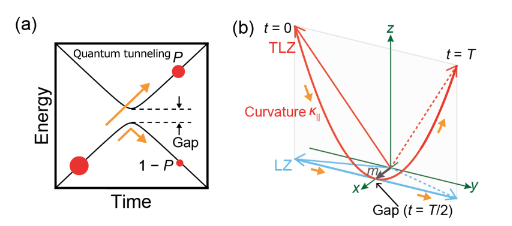
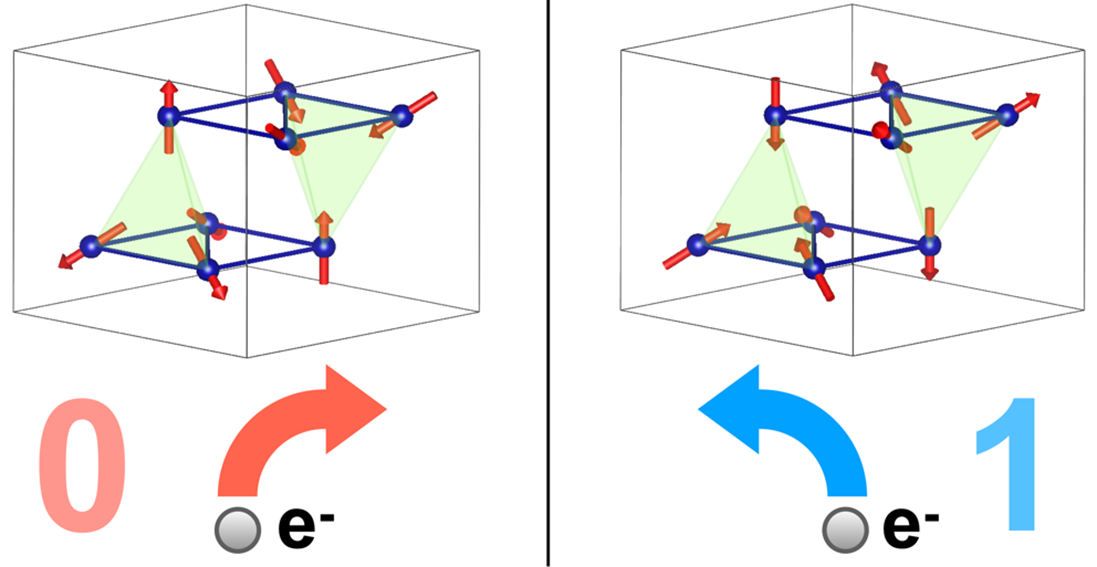
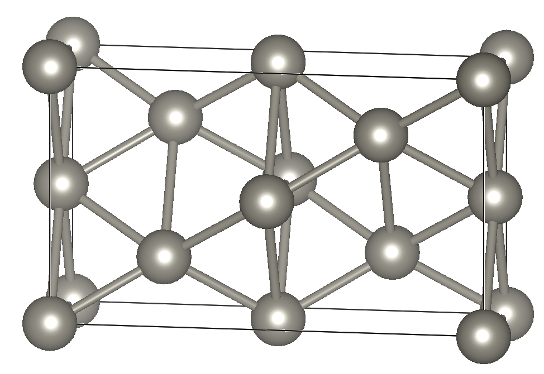
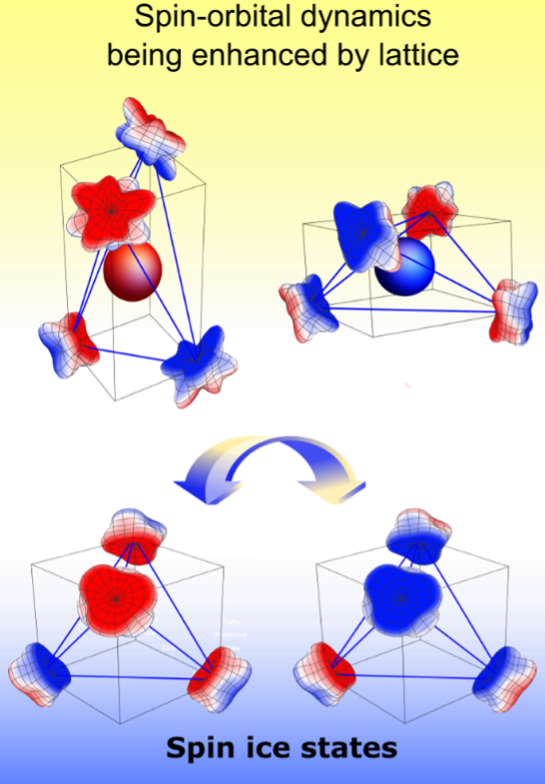
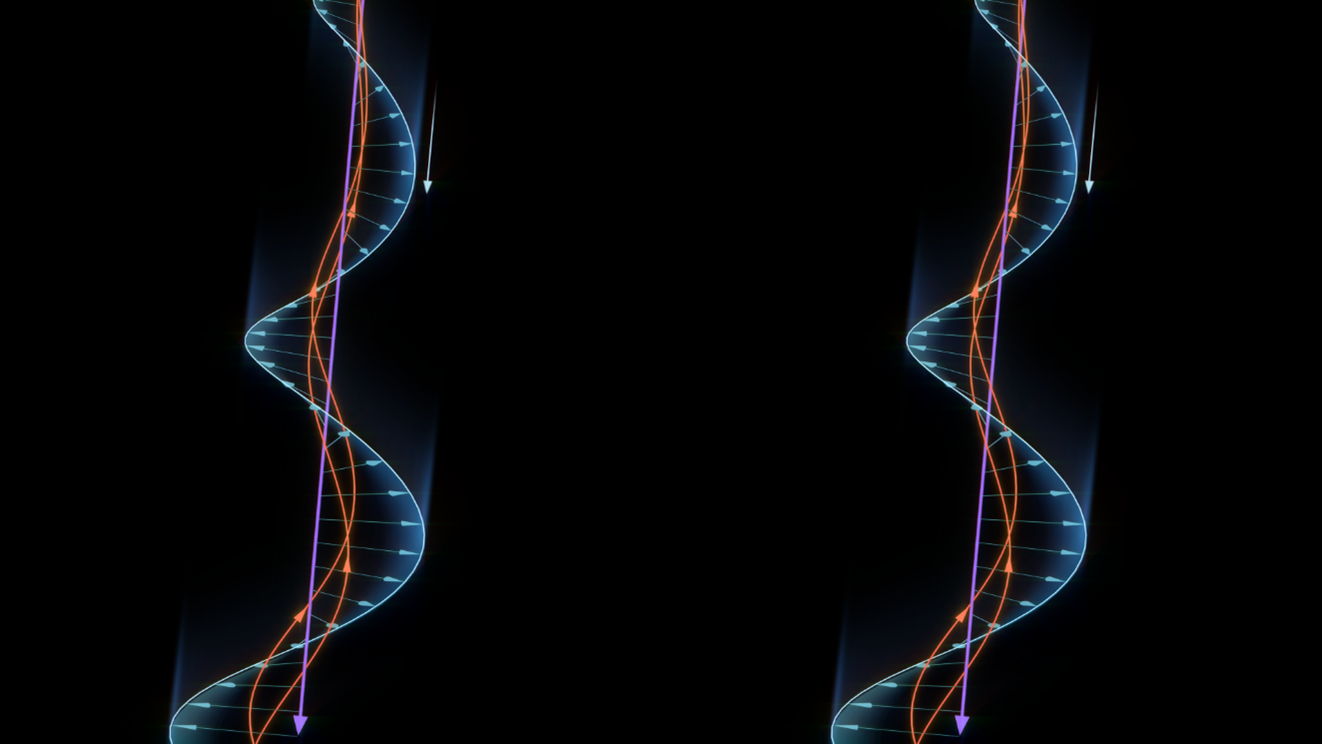
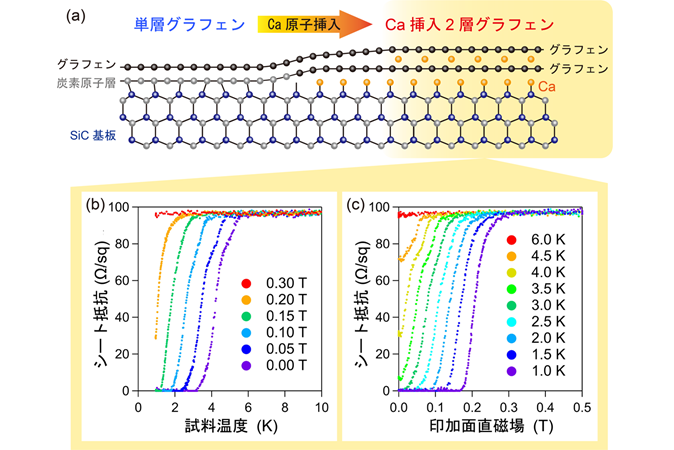
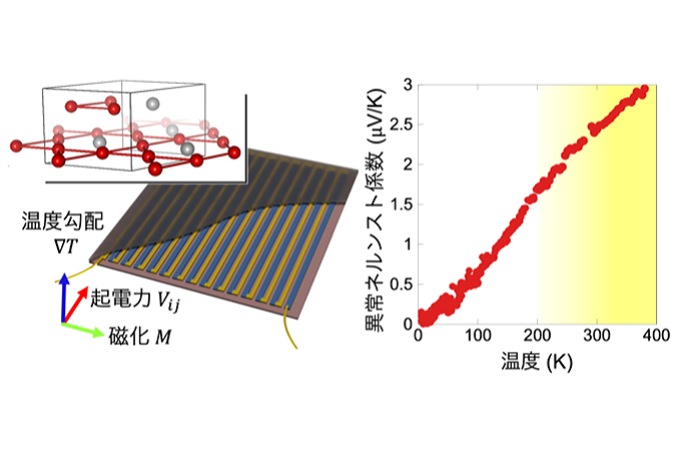
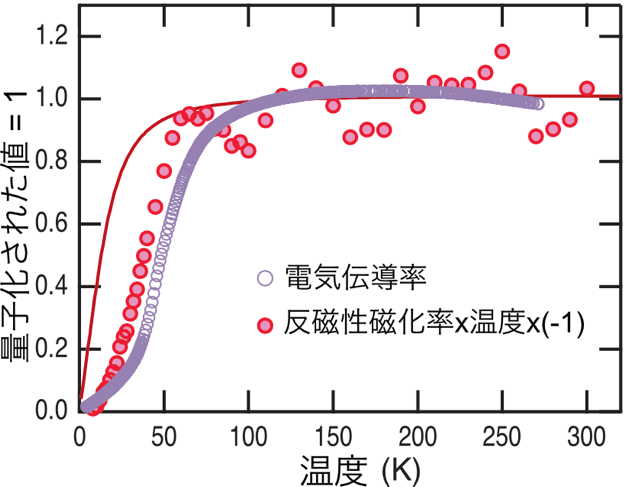
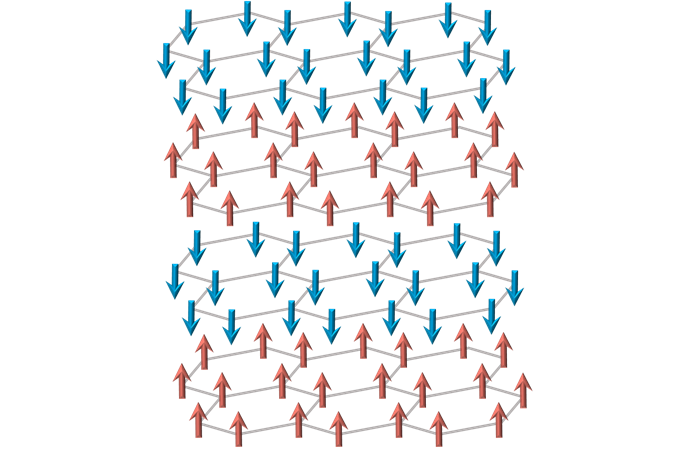
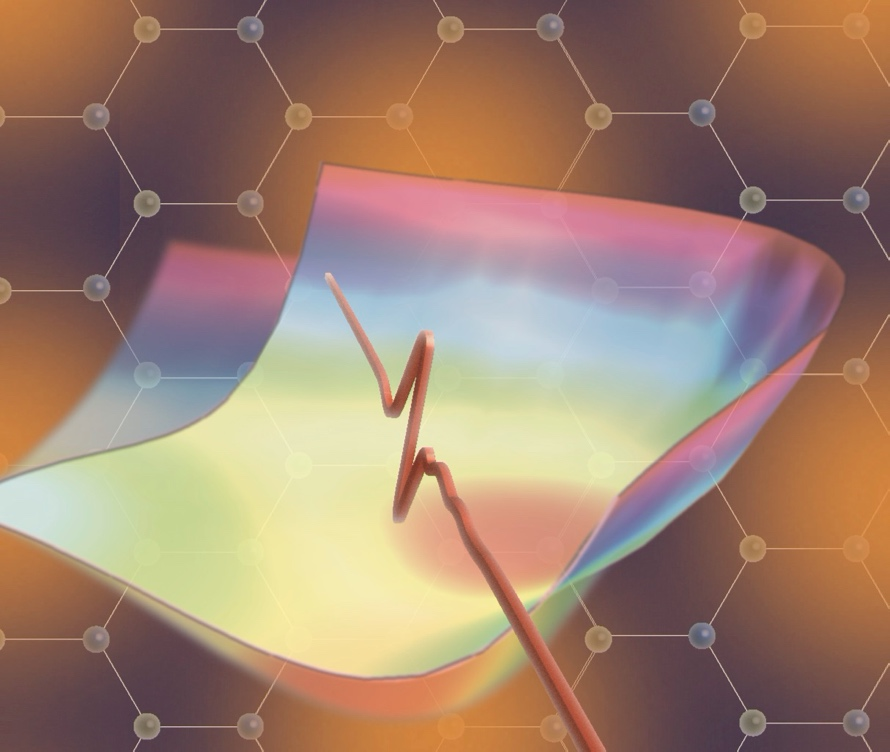
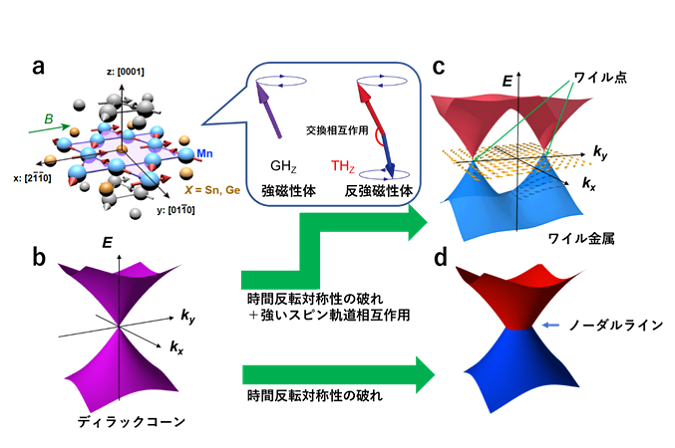
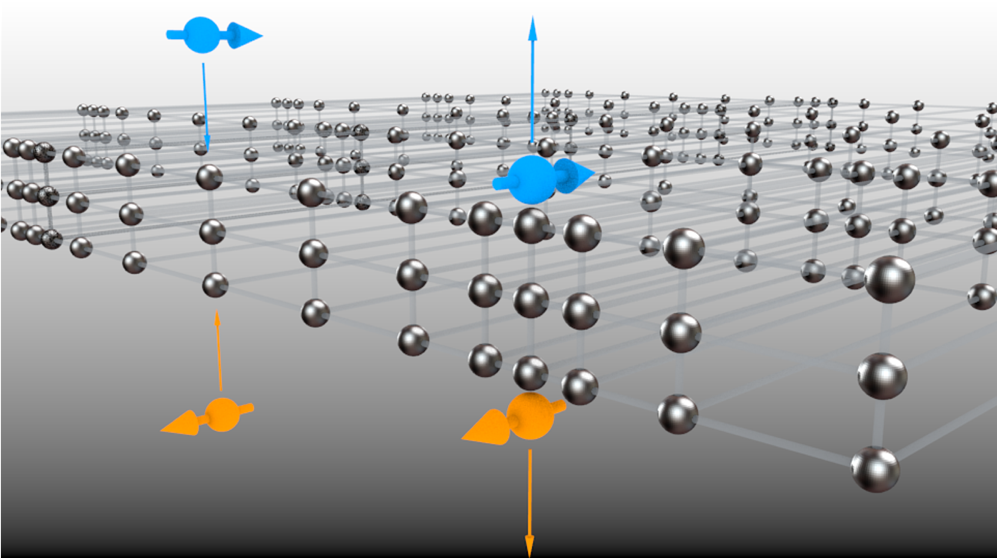
A new two-dimensional topological insulator
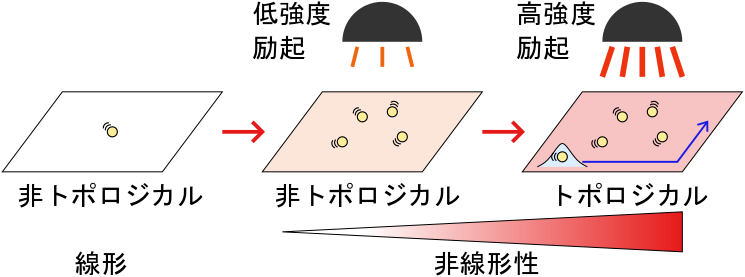
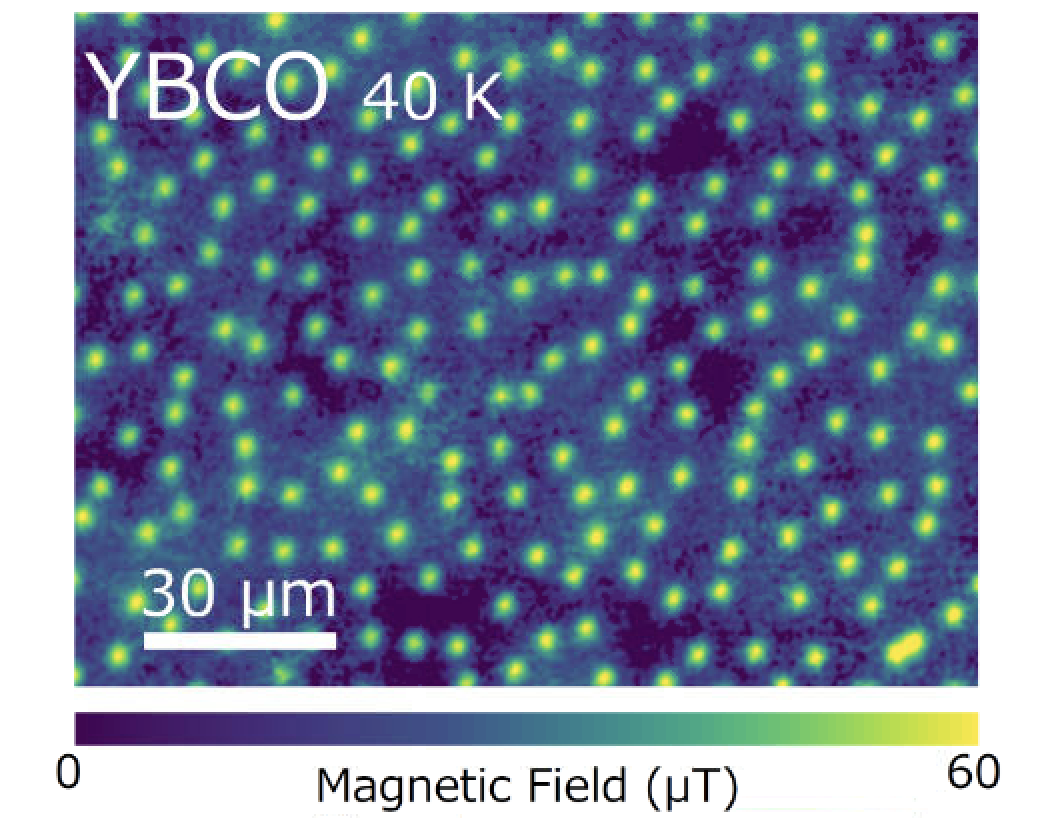
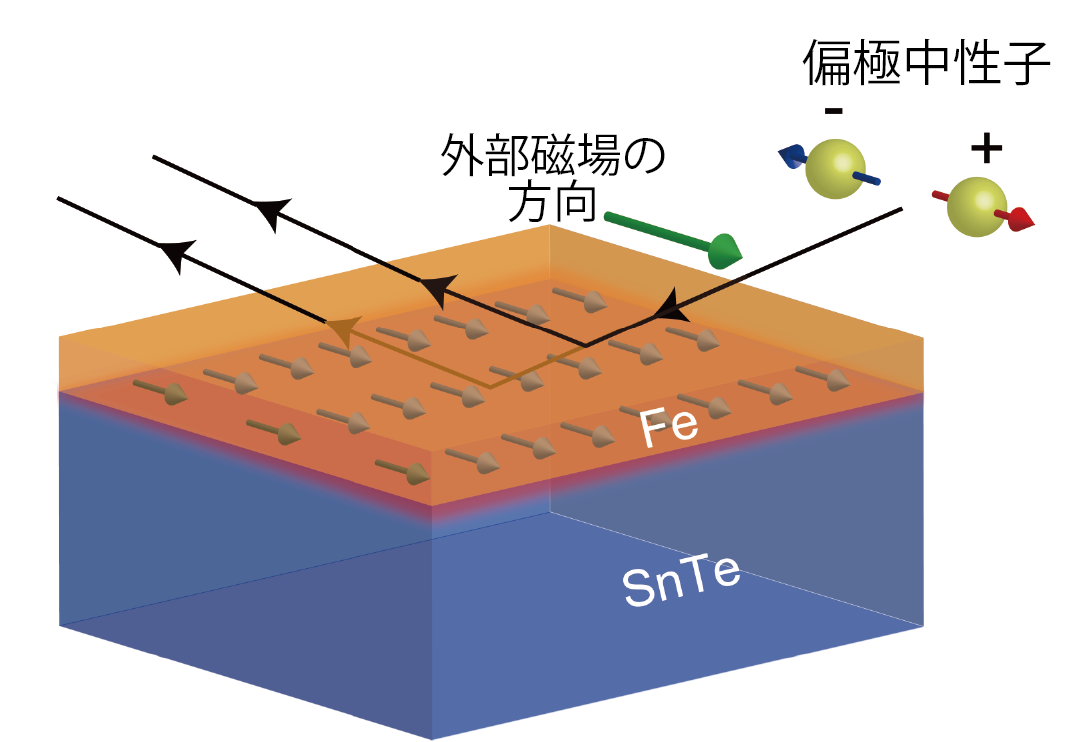
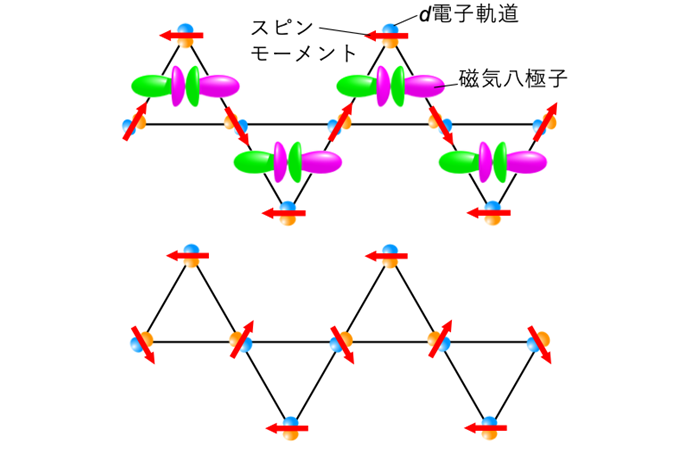
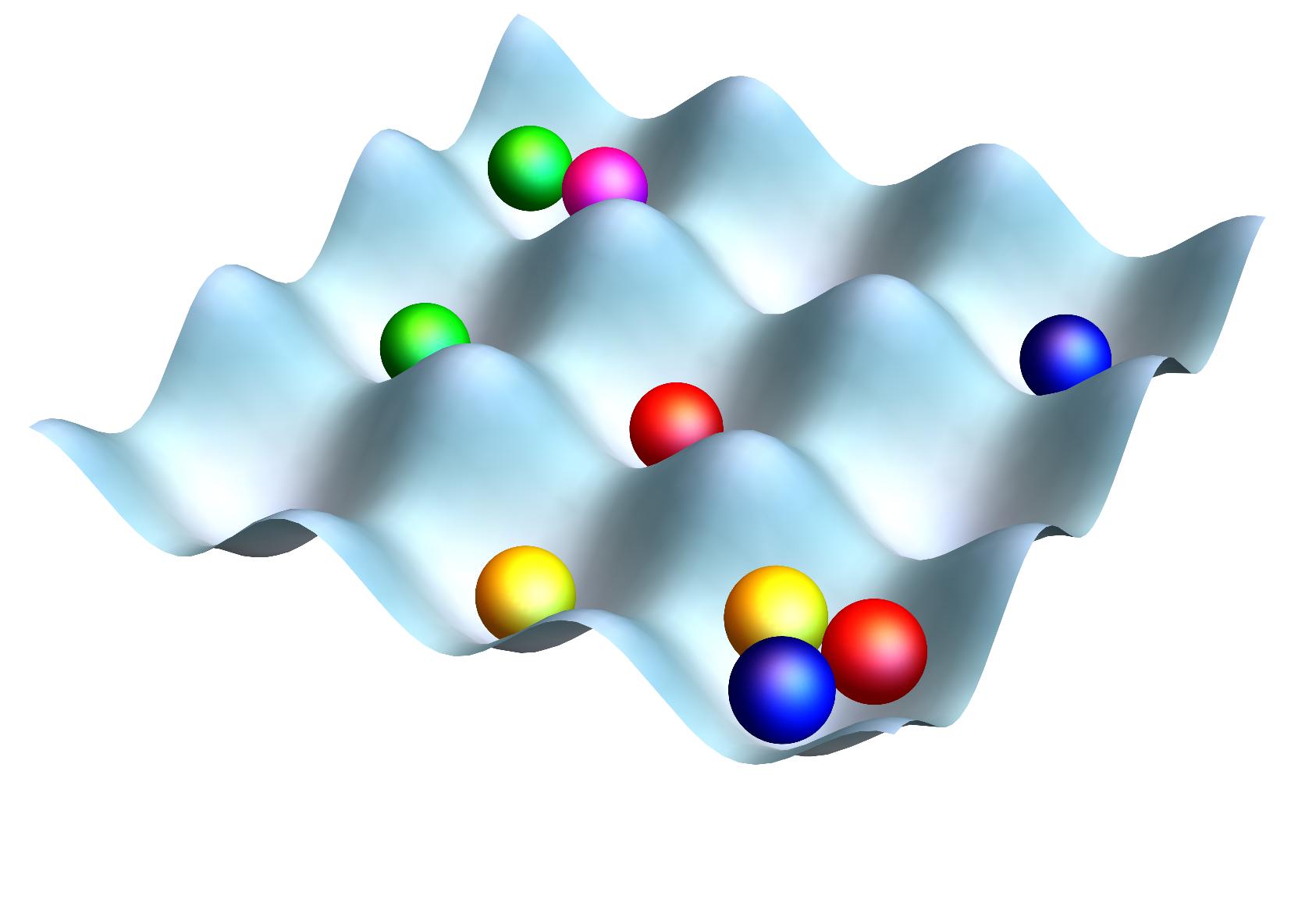
Topological insulators are a new state of matter which is gaining increased attention in condensed matter physics. more »
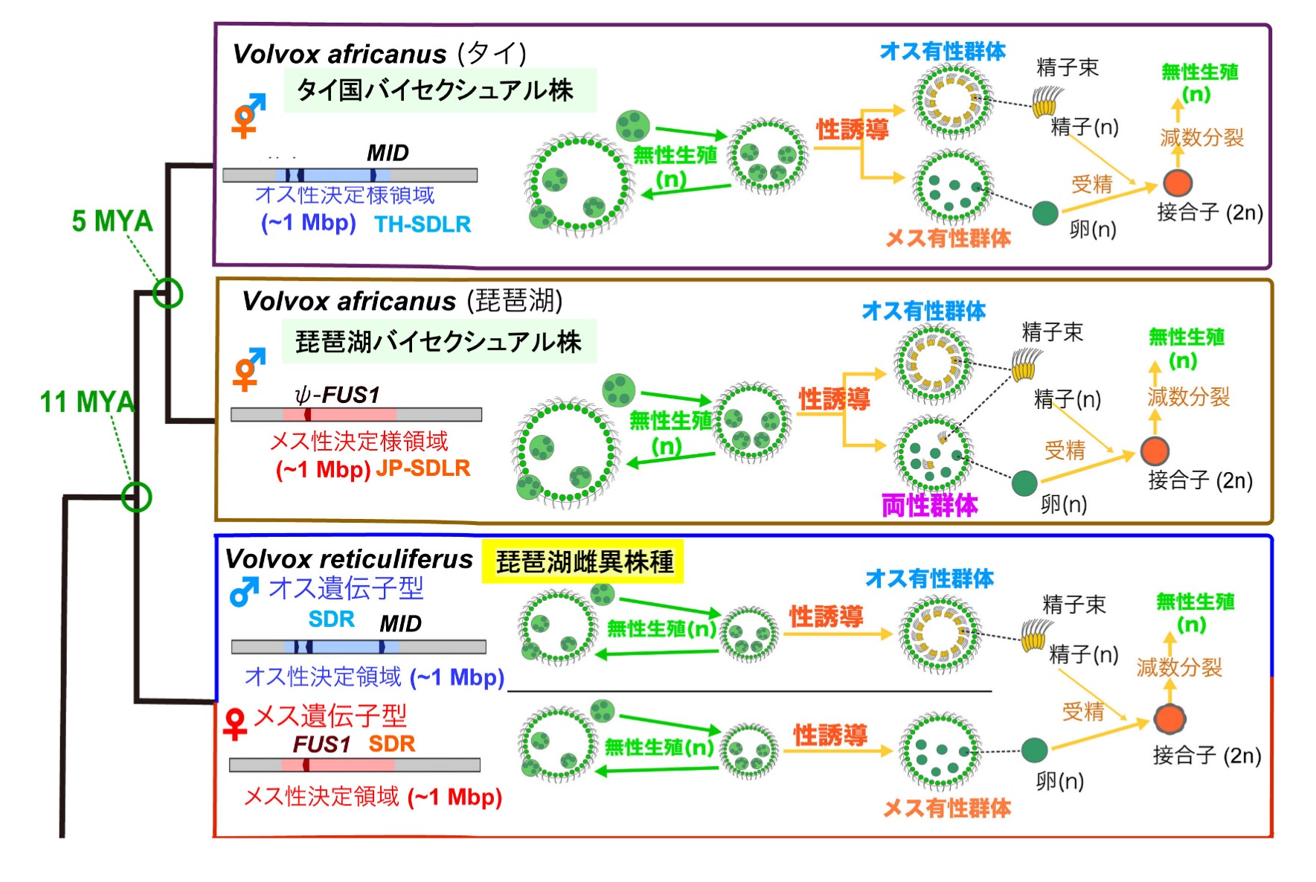
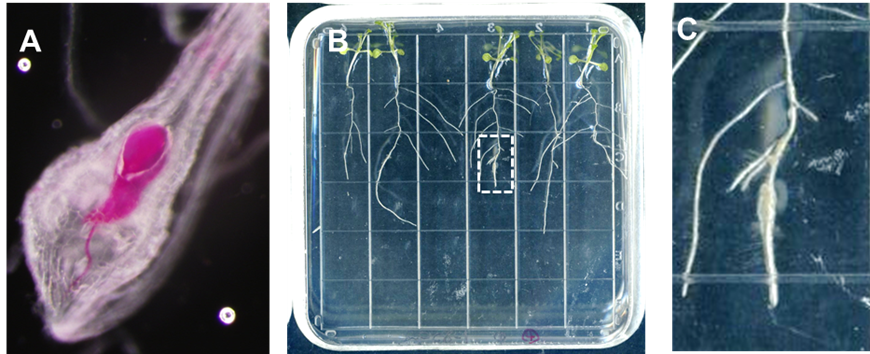
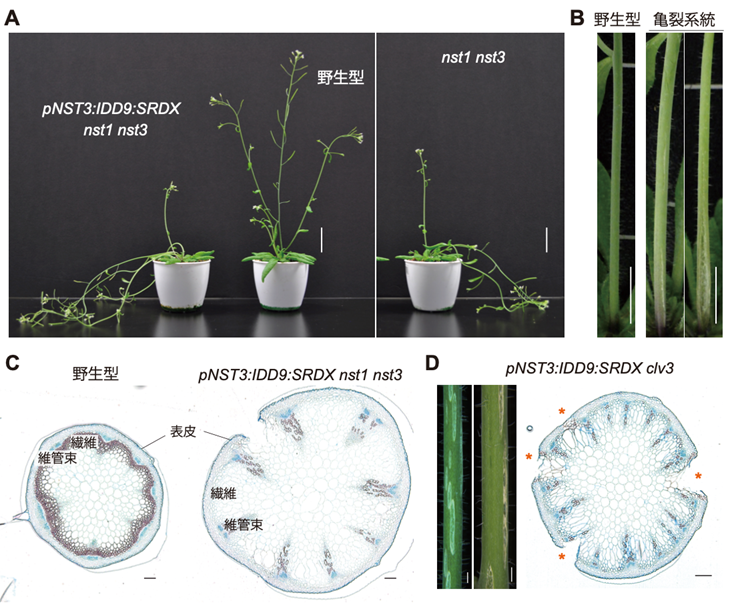
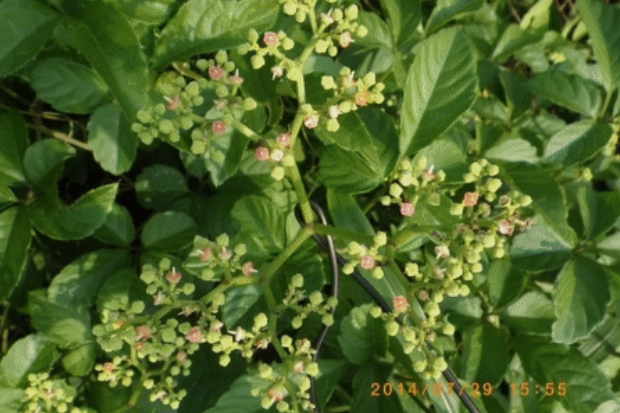
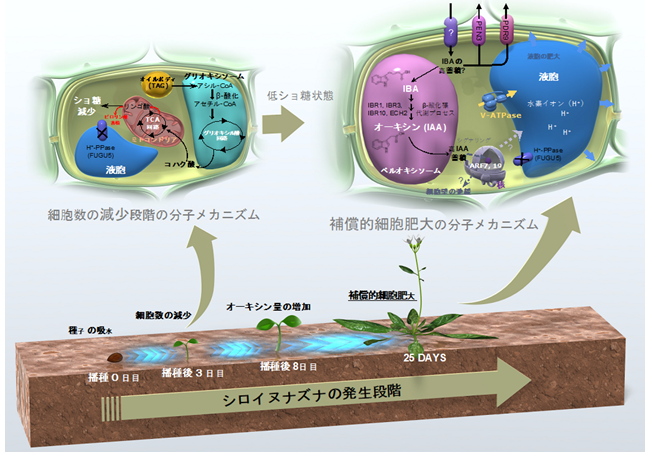
First elucidation of the Biological Role of the Proton-pyrophosphatase (H+-PPase) in plants
ATP provides the energy for most of the energy-consuming activities of the cell in all living organisms. more »
Three classical Cepheids and their impact on the star formation history in the Galactic Nuclear Bulge.
The region within a few hundred light years of the central blackhole of our Galaxy, often called the Nuclear Bulge, presents us with various interesting objects and phenomena. more »
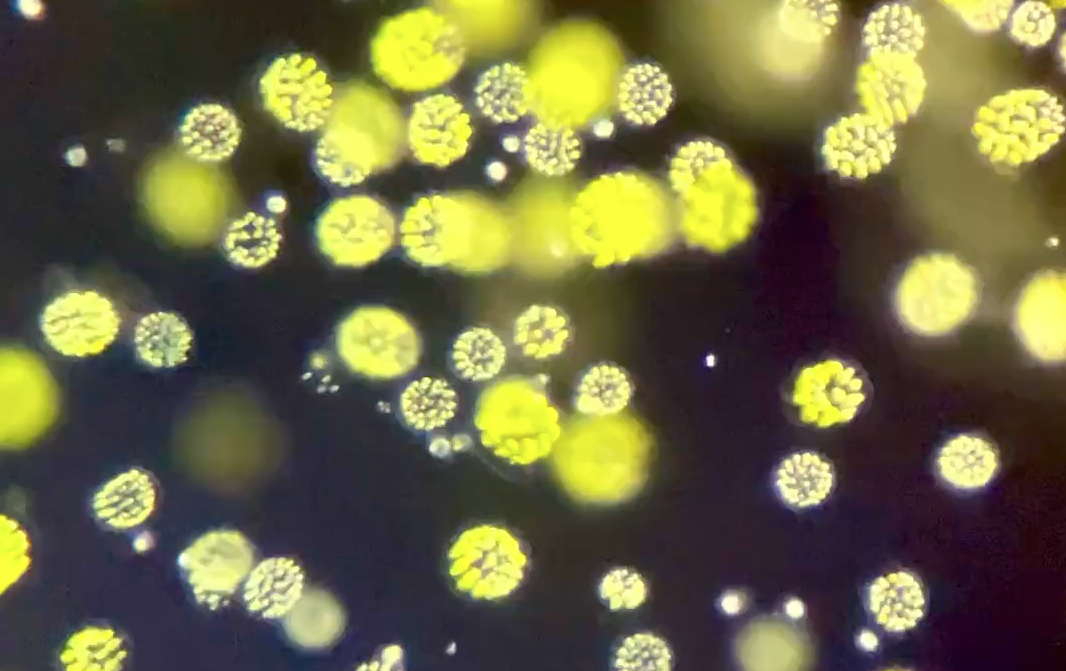
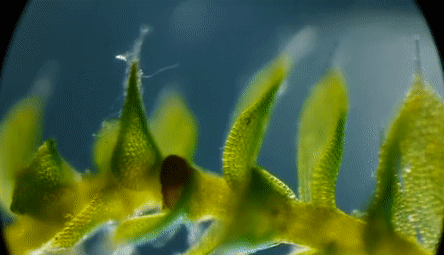
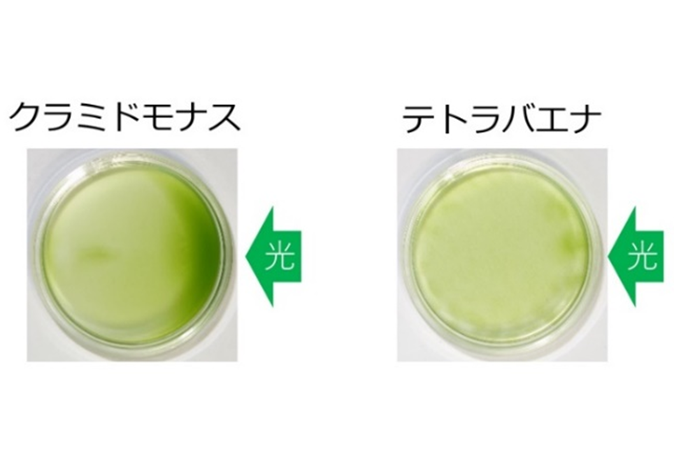
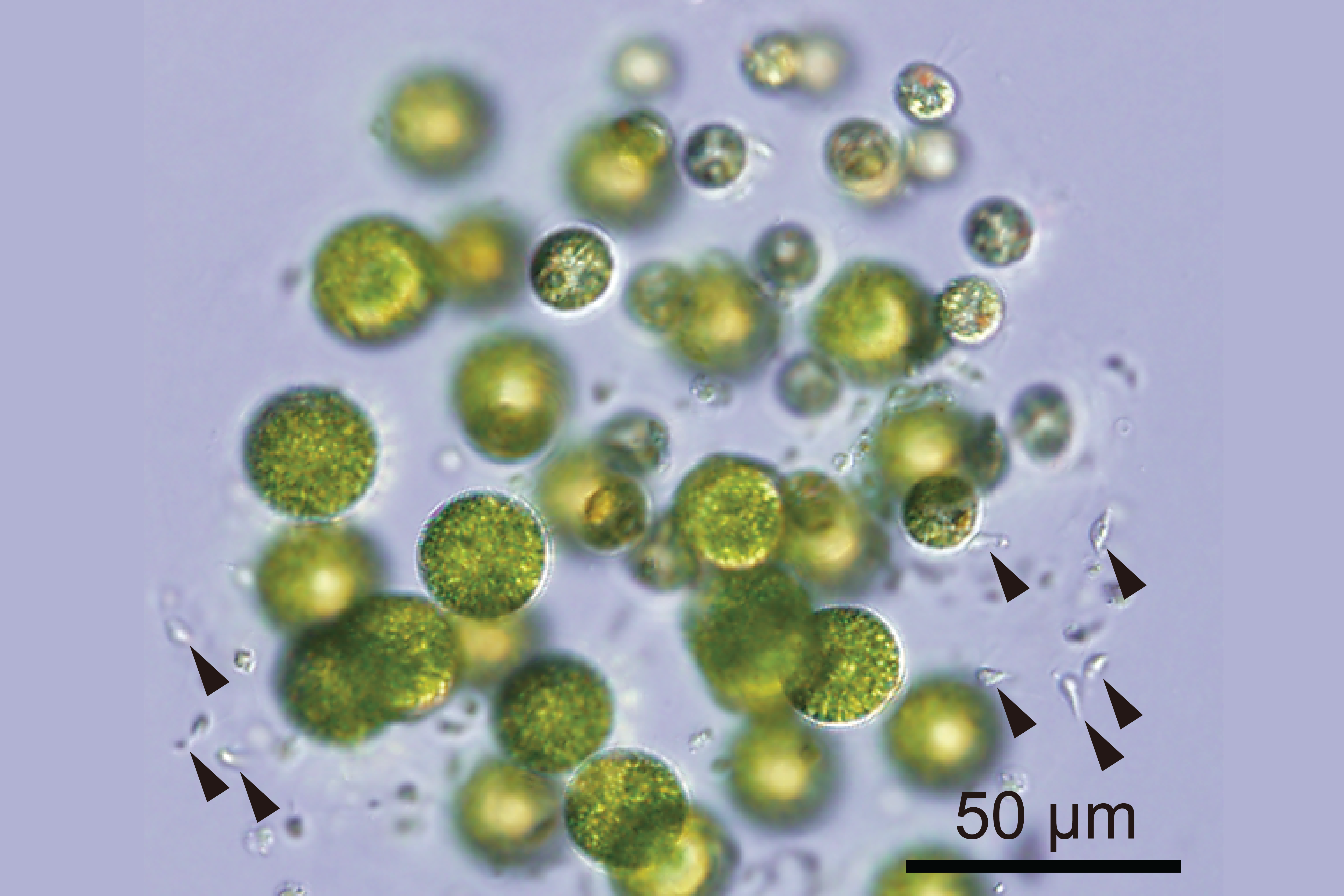
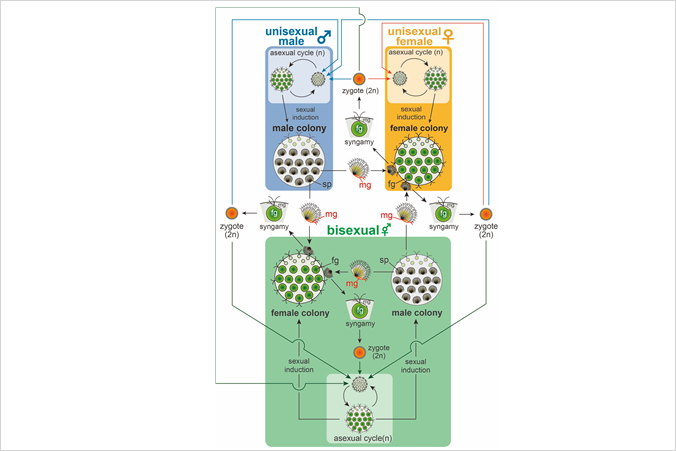
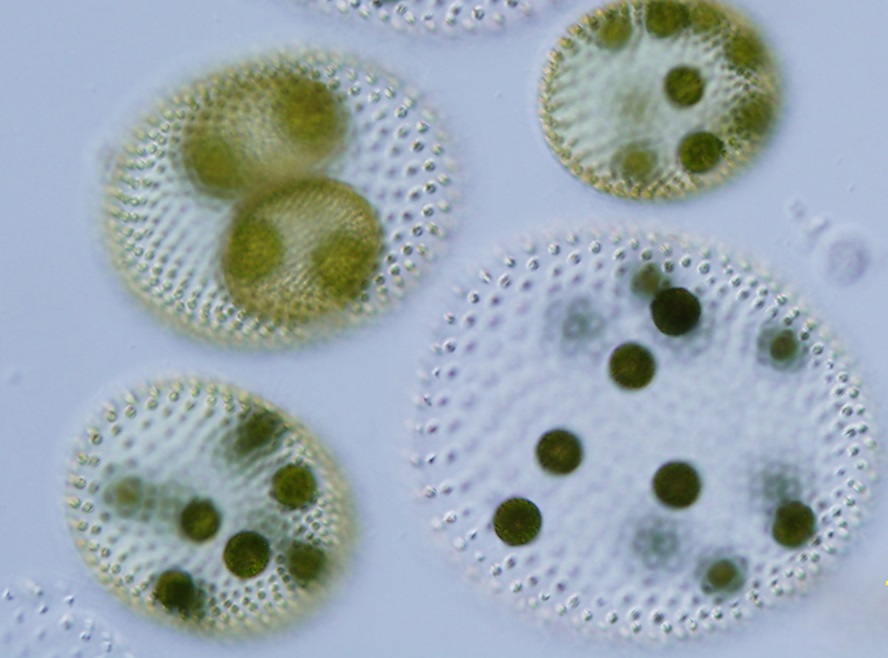
How green alga cells switch between positive and negative phototaxis.
In many phototrophic microorganisms and plants, chloroplasts change their positions relative to the incident light to achieve optimal photosynthesis. more »
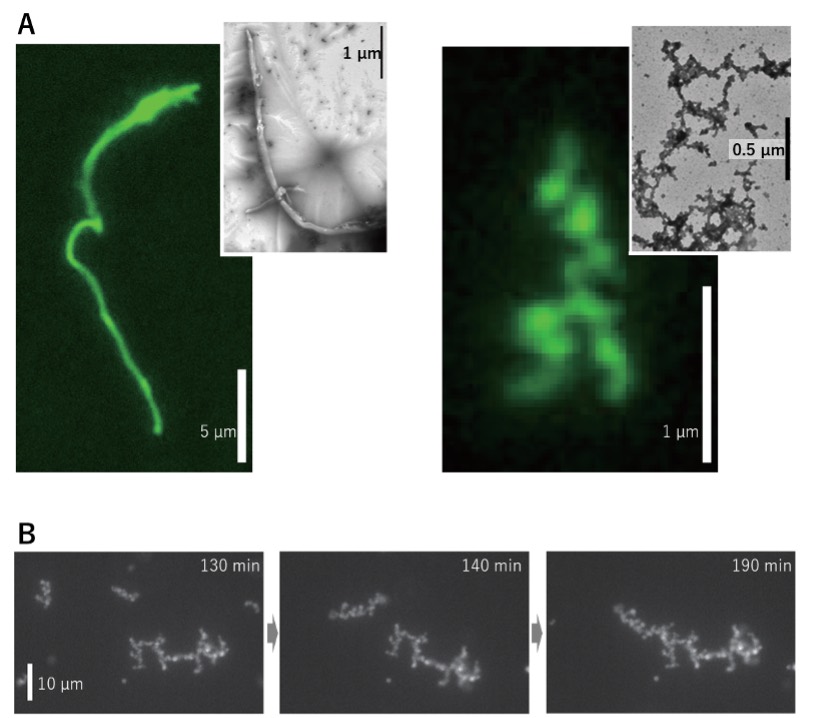
Aging proteins
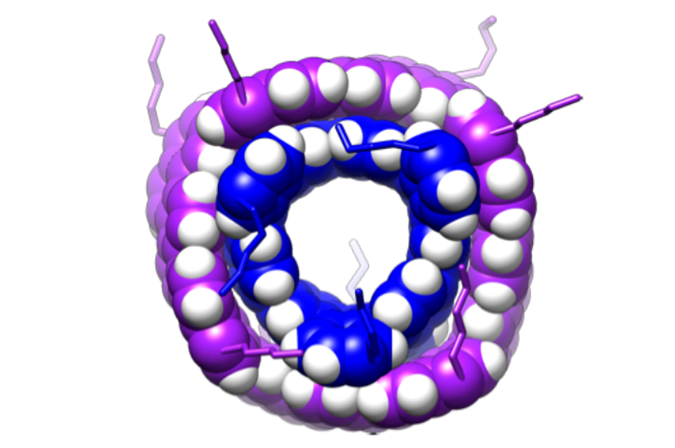
Everybody knows that protein-rich foods can be kept longer if they are dried. In the dry state, they are less susceptible to biological degradation and decomposition by microorganisms. more »
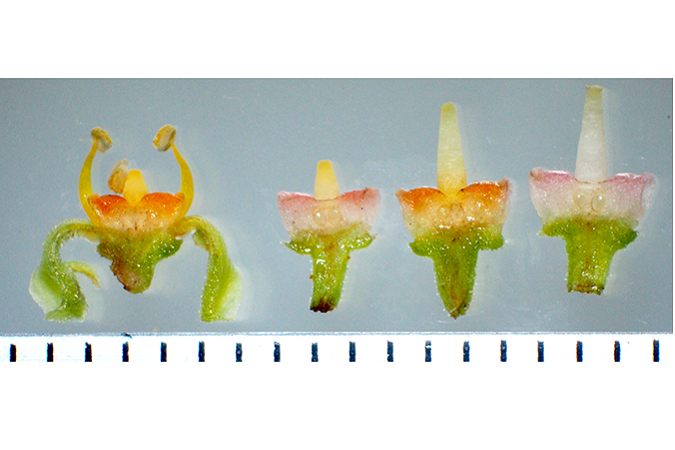
How did plants explore unique intracellular trafficking routes?
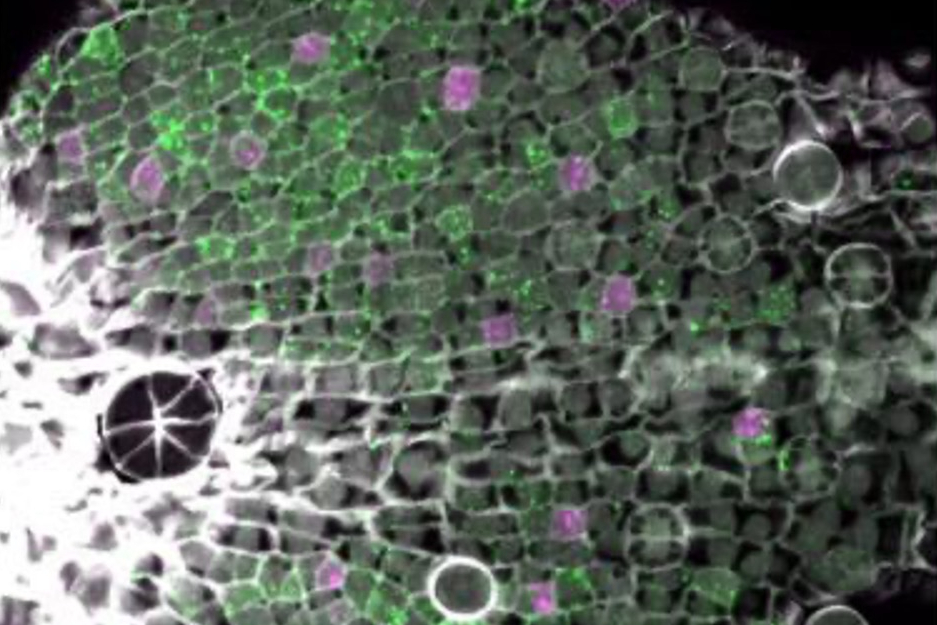
Endosomal trafficking plays an integral role in various eukaryotic cell activities. In animal cells, a member of the RAB GTPase family, RAB5, is known as a key regulator of various endosomal functions, including endosomal fusion, endosomal signaling, and endosomal motility. more »